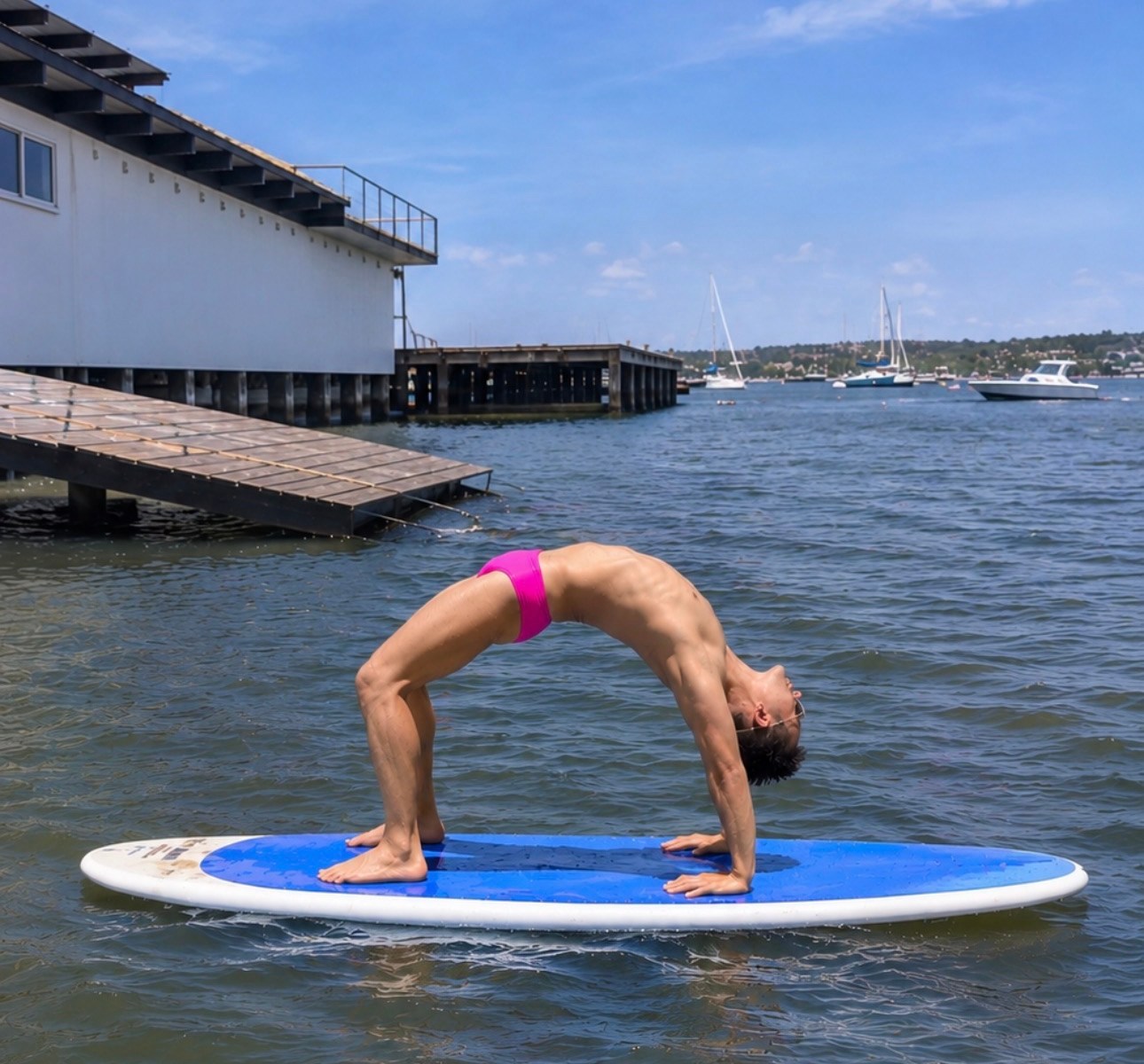
SUP Yoga: Finding Balance on the Water

The benefits of stand-up paddleboard yoga and what you should know before trying it

By Binh Doan | November 2026

Have you ever imagined practising yoga while floating gently on the water, surrounded by nature, with nothing but the sound of the waves and the rhythm of your breathing?

Welcome to the world of SUP yoga!

SUP stands for Stand-Up Paddleboarding, and SUP yoga combines traditional yoga poses with the unique experience of practising on a paddleboard.

As a yoga teacher, Iโ€™ve always appreciated how yoga challenges us to connect our body, mind and breath. SUP yoga brings another dimension to that experience: an unpredictable, moving surface that encourages us to slow down, pay attention and embrace the present moment.

And yes, thereโ€™s always the possibility of falling into the water!

But perhaps thatโ€™s part of the fun.

What Makes SUP Yoga Different?

In a traditional yoga class, we practise on a stable surface. Whether weโ€™re moving through a Sun Salutation, holding Warrior II or finding stillness in Childโ€™s Pose, the ground beneath us stays relatively predictable.

On a paddleboard, everything changes.

The board gently responds to the water, your breathing and even the smallest shifts in body weight.

Suddenly, a familiar pose requires a different level of concentration.

You may find yourself bending your knees more, engaging your abdominal muscles or moving more slowly than usual.

Itโ€™s not necessarily about performing more advanced poses. Itโ€™s about exploring familiar movements in a completely different environment.

6 Benefits of SUP Yoga

1. Improves Balance and Body Awareness

Balance is one of the most obvious challenges of SUP yoga.

Because the paddleboard moves with the water, your body constantly makes small adjustments to remain stable.

These adjustments encourage proprioception โ€” your bodyโ€™s ability to sense its position and movement in space.

Over time, practising balance-based activities may help improve coordination, stability and body awareness.

Even standing in Mountain Pose can become an interesting challenge when youโ€™re floating on water!

2. Engages Your Core Muscles

SUP yoga encourages your core muscles to work throughout the practice.

Your abdominal muscles, back muscles and the muscles around your hips help stabilise your body as the board moves beneath you.

Poses such as Cat-Cow, Tabletop and modified Plank can feel surprisingly different on a paddleboard.

Rather than forcing yourself into difficult positions, focus on controlled movement, steady breathing and gentle muscular engagement.

Remember, a strong core isnโ€™t just about having visible abdominal muscles. Itโ€™s about supporting your posture, movement and everyday activities.

3. Encourages Mindfulness and Mental Focus

One of my favourite aspects of yoga is the opportunity to become fully present.

SUP yoga makes that almost unavoidable.

When youโ€™re balancing on water, itโ€™s difficult to think about emails, deadlines or everything you need to do tomorrow.

Your attention naturally returns to your breathing, your body and the movement of the board.

The gentle sounds of water, fresh air and open surroundings can also create a calming atmosphere.

Although research specifically examining SUP yoga remains limited, mindfulness-based movement and spending time in natural environments may support relaxation and psychological wellbeing.

Sometimes the greatest benefit of exercise isnโ€™t how much we sweat, but how we feel afterwards.

4. Builds Strength and Flexibility

SUP yoga offers an interesting combination of strength, stability and flexibility.

Holding yoga poses on an unstable surface may increase the demand on some stabilising muscles, while gentle stretches can help maintain or improve mobility.

However, more challenging doesnโ€™t always mean better.

The key is to move within your comfortable range of motion without compromising your alignment or safety.

For beginners, simple seated stretches and kneeling poses can be just as rewarding as standing postures.

5. Helps You Reconnect with Nature

Many of us spend a large portion of our day indoors, sitting in front of computers or looking at our phones.

SUP yoga offers an opportunity to step away from those routines.

Imagine practising yoga on a calm morning, feeling the warmth of the sun, noticing the breeze and watching the water move around you.

Being outdoors can encourage us to slow down and appreciate our surroundings.

For me, yoga isnโ€™t just physical exercise. Itโ€™s also about developing a deeper connection with ourselves and the environment around us.

Practising on water can be a beautiful reminder of that connection.

6. Teaches Patience, Adaptability and Letting Go

Hereโ€™s something SUP yoga teaches very quickly: you canโ€™t control everything.

You might feel perfectly balanced one moment and find yourself wobbling the next.

And thatโ€™s okay.

In fact, learning to respond calmly when things donโ€™t go according to plan is one of the most valuable lessons we can take from yoga.

Instead of becoming frustrated, we learn to adjust, breathe and try again.

Sometimes we fall into the water.

Sometimes we laugh.

And sometimes we discover that losing our balance is simply another opportunity to begin again.

That lesson extends well beyond the paddleboard.

Is SUP Yoga Suitable for Beginners?

Absolutely, provided you choose an appropriate beginner class and feel comfortable and safe in the water.

You donโ€™t need to be an experienced yogi or an expert paddleboarder to try SUP yoga.

However, basic water safety knowledge, an appropriate flotation device and the ability to manage an unexpected fall are important.

A beginner-friendly session will usually start with familiarising yourself with the board and learning how to position your body safely.

You may begin by sitting or kneeling before progressing to standing poses.

Some beginner-friendly postures include:

  • Easy Seated Pose (Sukhasana): A comfortable position to practise breathing and settle onto the board.
  • Cat-Cow Pose: Gentle spinal movement while maintaining a stable position on your hands and knees.
  • Childโ€™s Pose (Balasana): A relaxing posture that keeps your centre of gravity low.
  • Tabletop Pose: A useful starting position for developing stability.
  • Seated Forward Fold: A gentle stretch that can be adapted to your flexibility and comfort.
  • Mountain Pose (Tadasana): A standing balance challenge once youโ€™re ready.

You donโ€™t need to attempt headstands, handstands or complicated balancing poses.

The goal is to enjoy the experience rather than impress anyone.

What Should You Know Before Trying SUP Yoga?

Choose Calm, Sheltered Water

For your first experience, choose a calm and sheltered location rather than open ocean or an area with strong currents.

Wind, tides, waves and passing boats can all affect the movement of your paddleboard.

Check the weather forecast and water conditions before heading out. If conditions are unsuitable, postpone your session.

Use the Right Equipment

A wider, stable paddleboard is generally more suitable for yoga than a narrow board designed primarily for speed.

A non-slip deck pad provides additional grip and comfort.

Wear a correctly fitted lifejacket or personal flotation device appropriate for your activity and local requirements. In NSW, wearing a lifejacket while using a stand-up paddleboard is strongly recommended.

A suitable board leash may also help prevent the board from drifting away, but leash choice depends on conditions. An ankle leash can be dangerous in flowing water or around obstacles where it may become trapped.

Always follow local water safety guidance.

Dress Comfortably

Wear lightweight, quick-drying clothing that allows you to move freely.

Swimwear, activewear or a comfortable combination of both can work well.

Apply water-resistant sunscreen, and consider a hat and UV-protective clothing.

Most importantly, wear something you donโ€™t mind getting wet!

Start Slowly

SUP yoga isnโ€™t a competition.

Begin with basic movements, keep your centre of gravity low and avoid rushing between poses.

Moving slowly gives your body time to adapt to the changing surface.

Thereโ€™s no need to force a pose simply because you can perform it easily on land.

Be Prepared to Fall

Falling into the water is a possibility, even for experienced practitioners.

Before starting, learn how to fall away from the board safely and how to climb back on.

Avoid practising near rocks, shallow obstacles, swimmers or other watercraft.

If youโ€™re new to SUP yoga, joining a class with a qualified instructor who understands both yoga and paddleboard safety is a sensible choice.

SUP Yoga Isnโ€™t About Perfect Poses

Social media often presents yoga as a series of beautiful, perfectly balanced poses.

But yoga is much more than that.

It is about awareness, breathing, acceptance and developing a healthier relationship with ourselves.

SUP yoga reminds us that balance isnโ€™t always a fixed position.

Sometimes balance means making constant adjustments.

Sometimes it means accepting that things are moving beneath us.

And sometimes it means letting go of the expectation that everything needs to be perfect.

Perhaps thatโ€™s why practising yoga on water can feel so refreshing.

We learn to become comfortable with movement, uncertainty and change.

Final Thoughts: Finding Your Balance

Whether youโ€™re an experienced yoga practitioner looking for a new challenge or a beginner wanting to try something different, SUP yoga can offer a refreshing way to explore movement and mindfulness.

It encourages balance, core engagement, body awareness and connection with nature, while reminding us to approach challenges with patience and a sense of humour.

You may not master every pose.

You may wobble.

You may even fall in.

But you might also discover a wonderful sense of freedom, calmness and joy.

And perhaps thatโ€™s the beauty of SUP yoga.

Balance isnโ€™t about never falling. Itโ€™s about learning how to adjust, recover and enjoy the journey.

See you on the water ๐Ÿ„โ€โ™‚๏ธ ๐Ÿ™๐Ÿผ

Binh Doan is a Sydney-based speech pathologist, yoga teacher and performing artist who is passionate about movement, communication, creativity and wellbeing.

What My Dad Gave Me Before I Left Home at 15

A Fatherโ€™s Day reflection

My dad, Phรช, passed away many years ago following an illness. Fatherโ€™s Day gives me a moment to remember him and reflect on how much of his influence is still present in my life. The older I get, the more I understand what he gave me.

Dad was born in Vietnam during the war and grew up poor. He didnโ€™t finish school. He was an artist and an entrepreneur who built Thแบกnh Phรกt, our familyโ€™s sฦกn mร i (Vietnamese lacquerware) business. His creativity and hard work supported our family.

Our family business even welcomed buyers from Christian Dior, who came to purchase our pieces. When I think about that now, I feel proud of what he achieved and how far his work reached.

Through years of hard work, Dad managed to send all his children to school and give us opportunities to study in Australia. I appreciate more deeply now the effort behind the opportunities we were given.

As a child, I used to help him design some of our lacquerware pieces. Those memories mean a great deal to me. I was included in his work and had the chance to contribute my own ideas to something we were creating.

Looking back, I can see how much I was learning through that experience. Sharing a design meant finding a way to express an idea, listening to someone elseโ€™s perspective and working together. Being able to contribute helped me develop confidence in what I had to offer.

Growing up around Dad and the business also taught me about people: how to communicate, show respect, build relationships and adapt to different situations. These were skills I was developing through everyday life, long before I understood how important they would become.

When I left Vietnam for Australia at 15, I took those lessons with me.

Moving overseas meant adjusting to a different culture, a new school and much more responsibility for myself. There was plenty I still had to learn. By then, though, I had a strong foundation of social skills that helped me approach people, make friends, ask for help and find my place in unfamiliar surroundings.

That foundation helped me become independent and thrive. Dadโ€™s hard work made the move possible, and the lessons I had learnt growing up helped me make the most of it.

Today, as a speech pathologist, I have another reason to appreciate those early experiences. Expressing ourselves, listening to others and building connections are part of so much of what we do. I think about how much confidence a child can gain when their ideas are heard and they have a chance to contribute. Helping Dad with designs gave me that opportunity.

I also recognise his influence in my own love of creativity and in running a business. I have a greater appreciation now of the effort involved in creating something, taking responsibility for it and continuing through challenges. Dad did all of that while working to give his children a better future.

I wish I could tell him how much those childhood experiences still mean to me. His influence is there when I create something, connect with someone new or encourage a child to share an idea.

Thank you, Dad, for the opportunities you worked so hard to give us, and for helping me believe I could find my own way in the world.

โค๏ธ

Bรฌnh

Vietnamese sฦกn mร i – Mum & Dadโ€™s business

Tuแป•i 15 โ€“ Khi Tรดi Hแปc Cรกch Lแป›n Lรชn Mแป™t Mรฌnh

Bร i viแบฟt bแบฑng tiแบฟng Viแป‡t (English version below)

Cรณ nhแปฏng ngฦฐแปi lแป›n lรชn trong vรฒng tay cแปงa gia ฤ‘รฌnh.

Cรฒn tรดi, tรดi lแป›n lรชn cรนng nhแปฏng quyแบฟt ฤ‘แป‹nh cแปงa chรญnh mรฌnh.

Nฤƒm 15 tuแป•i, tรดi rแปi Viแป‡t Nam ฤ‘แปƒ sang รšc. แปž cรกi tuแป•i mร  nhiแปu bแบกn cรฒn ฤ‘ฦฐแปฃc ba mแบน chฤƒm sรณc tแปซng bแปฏa ฤƒn, nhแบฏc nhแปŸ chuyแป‡n hแปc hร nh vร  che chแปŸ trฦฐแป›c nhแปฏng khรณ khฤƒn, tรดi bแบฏt ฤ‘แบงu hแปc cรกch tแปฑ ฤ‘แปฉng trรชn ฤ‘รดi chรขn cแปงa mรฌnh แปŸ mแป™t ฤ‘แบฅt nฦฐแป›c hoร n toร n xa lแบก.

Nhรฌn lแบกi chแบทng ฤ‘ฦฐแปng แบฅy, tรดi nhแบญn ra rแบฑng nhแปฏng thแปญ thรกch mรฌnh trแบฃi qua ฤ‘รฃ trแปŸ thร nh nhแปฏng ngฦฐแปi thแบงy tuyแป‡t vแปi nhแบฅt.

1. Khรดng ai nแปฃ mรฌnh ฤ‘iแปu gรฌ

Cuแป™c sแป‘ng khรดng hแปฉa hแบนn sแบฝ cรดng bแบฑng.

Khรดng ai cรณ trรกch nhiแป‡m phแบฃi giรบp mรฌnh thร nh cรดng.

Khi chแบฅp nhแบญn ฤ‘iแปu ฤ‘รณ, tรดi thรดi ฤ‘แป• lแป—i cho hoร n cแบฃnh vร  bแบฏt ฤ‘แบงu chแป‹u trรกch nhiแป‡m hoร n toร n cho cuแป™c ฤ‘แปi mรฌnh.

ฤรณ lร  lรบc tรดi thแปฑc sแปฑ trฦฐแปŸng thร nh.

2. Tแปฑ do luรดn ฤ‘i kรจm vแป›i trรกch nhiแป‡m

Sแป‘ng mแป™t mรฌnh ฤ‘แป“ng nghฤฉa vแป›i viแป‡c mแปi quyแบฟt ฤ‘แป‹nh ฤ‘แปu lร  cแปงa mรฌnh.

Nแบฟu thร nh cรดng, mรฌnh biแบฟt ฦกn nhแปฏng nแป— lแปฑc ฤ‘รฃ bแป ra.

Nแบฟu thแบฅt bแบกi, mรฌnh cลฉng hแปc cรกch chแป‹u trรกch nhiแป‡m thay vรฌ tรฌm ngฦฐแปi ฤ‘แปƒ trรกch.

ฤรณ lร  cรกi giรก cแปงa sแปฑ tแปฑ do.

3. Kแปท luแบญt quan trแปng hฦกn ฤ‘แป™ng lแปฑc

Cรณ rแบฅt nhiแปu ngร y tรดi khรดng muแป‘n hแปc.

Khรดng muแป‘n lร m viแป‡c.

Khรดng muแป‘n cแป‘ gแบฏng thรชm nแปฏa.

Nhฦฐng tรดi vแบซn tiแบฟp tแปฅc.

ฤแป™ng lแปฑc sแบฝ ฤ‘แบฟn rแป“i ฤ‘i.

Kแปท luแบญt mแป›i lร  ฤ‘iแปu giรบp chรบng ta tiแบฟn xa.

4. Thแบฅt bแบกi chแป‰ lร  mแป™t bร i hแปc

Tรดi tแปซng bแป‹ tแปซ chแป‘i.

Tแปซng cแบฃm thแบฅy mรฌnh chฦฐa ฤ‘แปง giแปi.

Tแปซng nghi ngแป chรญnh bแบฃn thรขn.

Nhฦฐng mแป—i lแบงn vแบฅp ngรฃ ฤ‘แปu giรบp tรดi mแบกnh mแบฝ vร  khiรชm tแป‘n hฦกn.

5. ฤแปซng chแป‰ xรขy dแปฑng sแปฑ nghiแป‡p, hรฃy xรขy dแปฑng chรญnh mรฌnh

Cรดng viแป‡c rแบฅt quan trแปng.

Nhฦฐng con ngฦฐแปi mรฌnh trแปŸ thร nh cรฒn quan trแปng hฦกn.

Tรดi hแปc yoga.

Tรดi hแปc diแป…n xuแบฅt.

Tรดi tham gia Toastmasters.

Tรดi ฤ‘แปc sรกch.

Tรดi gแบทp gแปก nhแปฏng con ngฦฐแปi truyแปn cแบฃm hแปฉng.

Mแป—i trแบฃi nghiแป‡m ฤ‘แปu giรบp tรดi hiแปƒu bแบฃn thรขn hฦกn.

6. So sรกnh lร  kแบป ฤ‘รกnh cแบฏp niแปm vui

Ai cลฉng cรณ mแป™t hร nh trรฌnh riรชng.

Tรดi khรดng cรฒn cแป‘ gแบฏng sแป‘ng cuแป™c ฤ‘แปi cแปงa ngฦฐแปi khรกc.

Tรดi chแป‰ cแป‘ gแบฏng trแปŸ thร nh phiรชn bแบฃn tแป‘t hฦกn cแปงa chรญnh mรฌnh mแป—i ngร y.

7. Gia ฤ‘รฌnh khรดng chแป‰ lร  nฦกi mรฌnh sinh ra

Sแป‘ng xa quรช dแบกy tรดi rแบฑng gia ฤ‘รฌnh cรฒn lร  nhแปฏng ngฦฐแปi luรดn แปŸ bรชn mรฌnh bแบฑng tรฌnh yรชu vร  sแปฑ chรขn thร nh.

ฤรดi khi, nhแปฏng ngฦฐแปi แบฅy khรดng cรนng huyแบฟt thแป‘ng.

Nhฦฐng hแป luรดn xuแบฅt hiแป‡n ฤ‘รบng lรบc cuแป™c sแป‘ng cแบงn nhแบฅt.

8. Khรดng bao giแป lร  quรก muแป™n ฤ‘แปƒ bแบฏt ฤ‘แบงu

Tรดi ฤ‘รฃ thay ฤ‘แป•i nghแป nghiแป‡p.

Hแปc thรชm nhiแปu kแปน nฤƒng mแป›i.

Theo ฤ‘uแป•i nhแปฏng ฤ‘am mรช mแป›i.

Mแป—i lแบงn bแบฏt ฤ‘แบงu lแบกi khรดng phแบฃi lร  quay vแป sแป‘ khรดng.

Mร  lร  bฦฐแป›c tiแบฟp vแป›i nhiแปu kinh nghiแป‡m hฦกn.

9. Thร nh cรดng lร  ฤ‘ฦฐแปฃc sแป‘ng ฤ‘รบng vแป›i giรก trแป‹ cแปงa mรฌnh

Ngร y trฦฐแป›c tรดi nghฤฉ thร nh cรดng lร  kiแบฟm thแบญt nhiแปu tiแปn.

Bรขy giแป tรดi nghฤฉ thร nh cรดng lร  mแป—i sรกng thแปฉc dแบญy vแป›i mแป™t cuแป™c sแป‘ng cรณ รฝ nghฤฉa.

ฤฦฐแปฃc giรบp ฤ‘แปก ngฦฐแปi khรกc.

ฤฦฐแปฃc hแปc hแปi.

ฤฦฐแปฃc phรกt triแปƒn.

ฤฦฐแปฃc lร  chรญnh mรฌnh.

Lแปi kแบฟt

Nแบฟu cรณ thแปƒ nรณi vแป›i cแบญu bรฉ 15 tuแป•i nฤƒm แบฅy mแป™t ฤ‘iแปu, tรดi sแบฝ nรณi:

โ€œฤแปซng sแปฃ. Con ฤ‘ฦฐแปng phรญa trฦฐแป›c sแบฝ khรดng dแป… dร ng. Nhฦฐng chรญnh nhแปฏng ngร y thรกng khรณ khฤƒn sแบฝ tแบกo nรชn phiรชn bแบฃn mแบกnh mแบฝ nhแบฅt cแปงa em.โ€

Hรดm nay, tรดi biแบฟt ฦกn tแบฅt cแบฃ nhแปฏng gรฌ mรฌnh ฤ‘รฃ trแบฃi qua.

BแปŸi vรฌ nแบฟu khรดng cรณ cแบญu bรฉ 15 tuแป•i dลฉng cแบฃm nฤƒm แบฅy, sแบฝ khรดng cรณ tรดi cแปงa ngร y hรดm nay.

Cแบฃm ฦกn bแบกn ฤ‘รฃ dร nh thแปi gian ฤ‘แปc cรขu chuyแป‡n cแปงa tรดi.

Chรบc bแบกn luรดn ฤ‘แปง can ฤ‘แบฃm ฤ‘แปƒ bฦฐแป›c tiแบฟp trรชn hร nh trรฌnh cแปงa riรชng mรฌnh.

Binh


Age 15 โ€“ Learning to Grow Up on My Own

English Version

Some people grow up surrounded by the comfort of family.

I grew up through my own decisions.

At the age of fifteen, I left Vietnam and moved to Australia. While many teenagers still relied on their parents for guidance and support, I was learning how to build a life on my own in a country that felt completely unfamiliar.

Looking back, I realise that lifeโ€™s greatest lessons never came from a classroom.

They came from experience.

1. Nobody owes you anything

Life isnโ€™t always fair.

No one is responsible for making you successful.

The moment I accepted that, I stopped blaming circumstances and started taking ownership of my life.

That was the beginning of true adulthood.

2. Freedom always comes with responsibility

Living independently means every decision is yours.

When you succeed, you appreciate your hard work.

When you fail, you learn instead of looking for someone else to blame.

That is the priceโ€”and the privilegeโ€”of freedom.

3. Discipline will always outlast motivation

There were many days I didnโ€™t feel like studying.

Many days I didnโ€™t feel like working.

Many days I wanted to quit.

But I kept going.

Motivation comes and goes.

Discipline is what carries you through.

4. Failure is simply another lesson

Iโ€™ve been rejected.

Iโ€™ve doubted myself.

Iโ€™ve wondered if I was good enough.

Every setback made me stronger, wiser and more humble.

5. Donโ€™t just build a careerโ€”build yourself

A successful career is important.

But the person you become matters even more.

I learned yoga.

I studied acting.

I joined Toastmasters.

I read constantly.

I sought out inspiring people.

Every experience shaped who I am today.

6. Comparison steals happiness

Everyone is on a different journey.

I stopped comparing myself to others.

Instead, I focus on becoming a little better than I was yesterday.

7. Family is more than where you come from

Living far from home taught me that family is also the people who genuinely care about you.

They may not share your blood.

But they stand beside you when you need them most.

8. Itโ€™s never too late to begin again

Iโ€™ve changed careers.

Learned new skills.

Pursued new passions.

Starting over isnโ€™t going back to zero.

Itโ€™s beginning again with more wisdom than before.

9. Success is living according to your values

I used to think success meant earning a lot of money.

Today, success means waking up each morning knowing that my life has purpose.

Helping others.

Continuing to learn.

Growing as a person.

Living authentically.

Final Thoughts

If I could speak to my fifteen-year-old self, I would simply say:

โ€œDonโ€™t be afraid. The road ahead wonโ€™t be easy, but every challenge will shape you into someone youโ€™ll one day be proud of becoming.โ€

Today, I am grateful for every struggle, every mistake, and every difficult decision.

Because without that brave fifteen-year-old who stepped onto a plane and left Vietnam, I would not be the person I am today.

Thank you for taking the time to read my story.

I wish you the courage to keep moving forward on your own journey.

Binh

10 Lessons I Learnt Living Away From My Family at 15

At 15 years old, I left Vietnam and came to Australia to study.

I still remember the mix of excitement and fear. On one hand, I was grateful for the opportunity to build a better future. On the other, I was leaving behind everything I had ever known, my family, my friends, my language, and my culture.

When youโ€™re 15, most people are worrying about school exams, sports, or what theyโ€™re doing on the weekend. I was learning how to navigate a completely new country with limited English and without my family by my side.

Looking back now, I realise that the experience shaped who I am today. It taught me lessons about resilience, independence, and gratitude that no textbook could ever teach.

Here are ten of the most valuable lessons I learnt.

1. You Are Stronger Than You Think

When life becomes difficult, you often discover strengths you never knew you had.

There were many moments when I felt lost, homesick, and overwhelmed. Yet somehow, I kept moving forward. Each challenge I overcame built confidence and resilience.

We are often far more capable than we give ourselves credit for.

2. Growth Happens Outside Your Comfort Zone

Moving to Australia forced me out of my comfort zone every single day.

Everything was unfamiliar. The language sounded different. The culture was different. Even simple daily tasks required courage.

At the time it felt uncomfortable, but looking back, that discomfort became the catalyst for growth.

3. Family Is a Gift

You donโ€™t truly understand the value of family until they are no longer around every day.

Living away from my parents taught me to appreciate their sacrifices. It made me realise how much love and support they had provided throughout my childhood.

Distance created a deeper sense of gratitude.

4. Loneliness Can Teach You Valuable Things

There were times when I felt incredibly alone.

Instead of constantly trying to escape those feelings, I gradually learnt how to sit with them. Loneliness taught me self-reliance, reflection, and emotional resilience.

It also taught me the importance of building meaningful relationships.

5. Communication Is More Than Perfect English

When I arrived in Australia, my English was limited.

There were many times when I couldnโ€™t express myself the way I wanted. It was frustrating and sometimes embarrassing.

Over time, I realised that communication isnโ€™t just about grammar or vocabulary. Confidence, persistence, body language, and a willingness to make mistakes are equally important.

Every conversation became a lesson.

6. Nobody Is Coming to Rescue You

One of the most important lessons I learnt was personal responsibility.

If I wanted better grades, I had to study.

If I wanted opportunities, I had to seek them out.

If I made mistakes, I had to learn from them.

That mindset became one of the foundations of my success later in life.

7. Hard Work Beats Talent

I wasnโ€™t the smartest student in the room. I wasnโ€™t the most confident speaker. I wasnโ€™t naturally gifted at everything I tried.

But I learnt that consistent effort often matters more than natural ability.

Hard work opened doors that might otherwise have remained closed.

8. Failure Is Part of Success

There were plenty of setbacks along the way. I made mistakes. I misunderstood people. I struggled with language and confidence.

At the time, those moments felt like failures. Looking back, they were simply stepping stones.

Every setback taught me something valuable.

9. Your Story Is Your Strength

For a long time, I simply wanted to fit in.

As Iโ€™ve grown older, Iโ€™ve realised that my journey is not something to hide. Being Vietnamese, migrating to Australia, learning a new language, and overcoming challenges have all shaped who I am.

The experiences that once made me feel different are now some of my greatest strengths.

10. Keep Saying Yes to New Experiences

Moving to Australia at 15 taught me that growth often begins with a single brave decision.

Since then, Iโ€™ve continued saying yes to new experiences, whether thatโ€™s becoming a speech pathologist, starting a business, teaching yoga, performing on stage, competing at Toastmasters, or stepping into an improv class.

Life becomes richer when weโ€™re willing to embrace the unknown.

Final Thoughts

Today, as a speech pathologist, business owner, coach, actor, and lifelong learner, I often think about that 15-year-old boy who left Vietnam and boarded a plane to Australia.

He had no idea what the future would hold. What he did have was courage.

Looking back, I realise that courage isnโ€™t the absence of fear. Courage is taking the next step despite fear.

If youโ€™re facing uncertainty in your own life, remember this: you donโ€™t need to have everything figured out. You simply need to keep moving forward.

The challenges you face today may one day become the very stories that inspire others.

Keep growing, keep learning, and keep moving forward.


Binh

Why I Love Being a Polymath

People sometimes ask me, โ€œHow do you do so many things?โ€

My honest answer: I donโ€™t know how NOT to.

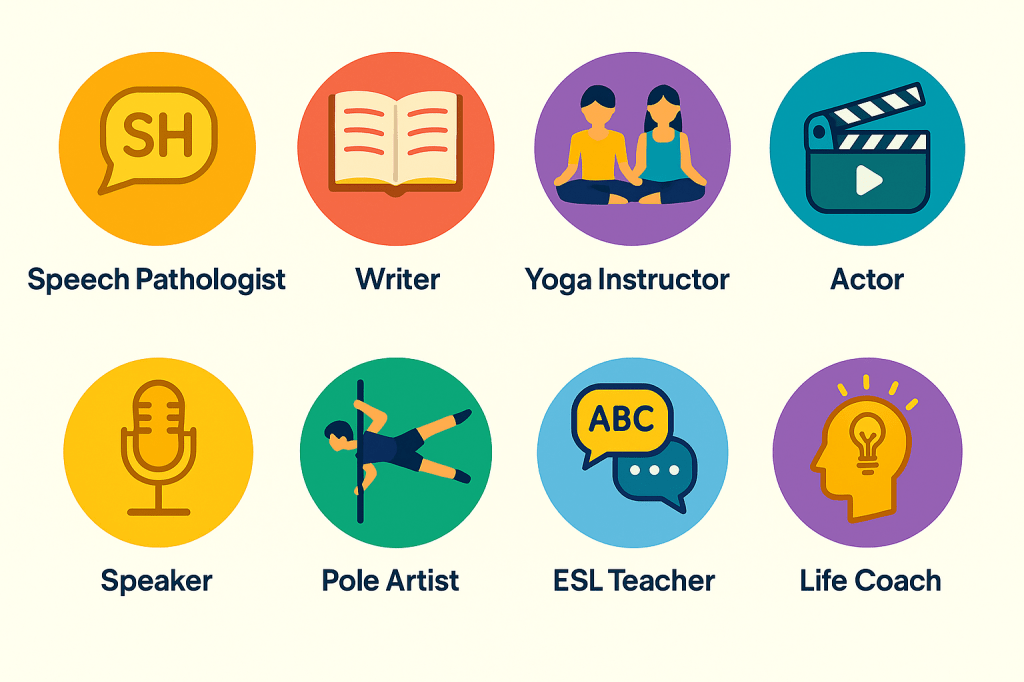
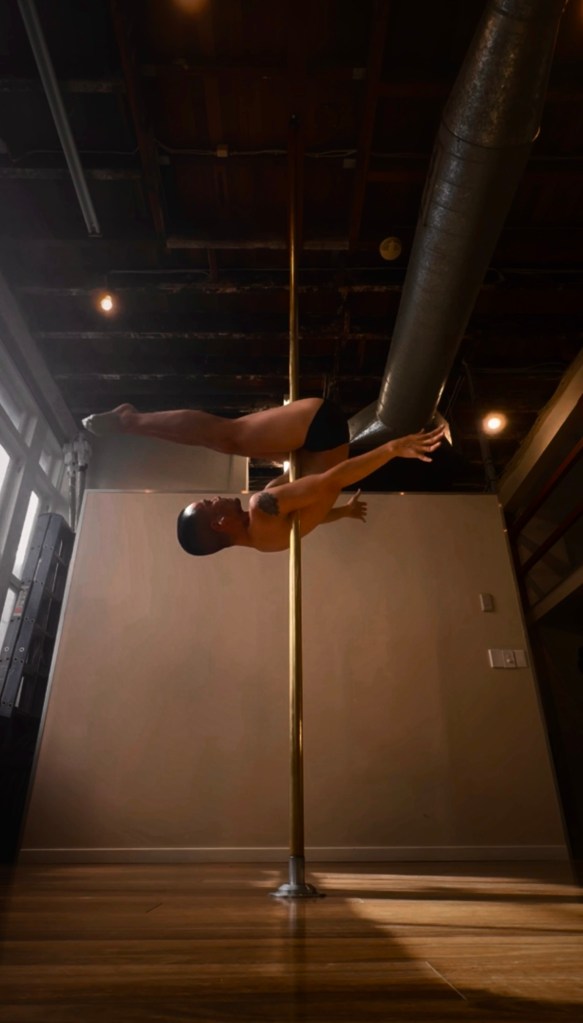
Iโ€™ve never been someone who fits neatly into one box. Iโ€™m a speech pathologist, a writer, a life coach, an actor, a yoga teacher, an ESL educator, a business owner, and yes, someone who hangs upside down on a pole for fun.

And somehowโ€ฆ it all makes perfect sense to me.

Being a polymath feels like living in colour. Every skill I learn feeds another part of my life. Every curiosity becomes a doorway. Every new passion adds a layer to who I am and how I show up in the world.

Speech Pathology taught me to communicate with purpose

Working with kids and families has given me the deepest understanding of communication, not just the mechanics, but the heart behind it. Helping someone speak, read, learn, or connect unlocks something inside me too.

Life coaching taught me to listen, REALLY listen

Coaching helped me tune in to peopleโ€™s dreams, fears, habits, and patterns. It made me a better therapist, a better friend, and honestly, a better human. Itโ€™s one of the skills that anchors everything else I do.

Acting taught me to feel everything fully

Acting is where I get to be bold, expressive, vulnerable, and creative in ways everyday life doesnโ€™t always allow. Itโ€™s helped me understand characters, emotions, humanity – which loops right back into my coaching and therapy work.

Writing taught me to make sense of the world

Words are how I process life. From โ€œThe Speakable Childโ€ to the new projects Iโ€™m creating, writing lets me turn ideas into stories, and stories into something useful for someone else.

Yoga taught me to breathe and soften

Yoga balances the fire. It reminds me to slow down, feel my body, and come back to myself, something all polymaths need because our brains can be like hummingbirds.

Pole art taught me strength, discipline, and play

Pole is where I surprise myself the most. The strength, the flow, the artistry; itโ€™s a celebration of being human. Itโ€™s creative and athletic at the same time, and itโ€™s one of the places where I feel the most free.

Business taught me courage

Speakable didnโ€™t build itself. It took years of ideas, risks, failures, and growth. Being an entrepreneur showed me that creativity isnโ€™t just an art; itโ€™s a strategy.

What I love most about being a polymath

Itโ€™s not the titles or the skills.

Itโ€™s the way everything overlaps.

My acting improves my communication coaching.

My coaching improves my therapy.

My therapy work gives depth to my writing.

My writing clears my mind for yoga.

Yoga strengthens my discipline for pole.

Pole energises me for everything else.

Itโ€™s all connected like a tapestry of passions that weave together into one life.

I love being a polymath because it lets me be all of me.

Not half. Not one slice.

All.

And if thereโ€™s one message I hope people take from my journey, itโ€™s this:

You donโ€™t need to choose one dream.

Youโ€™re allowed to choose many and let them shape you into something extraordinary.

Binh

If you believe: Finding my voice in a new country

When I was 15, I moved to Australia from Vietnam, and honestly, it was rough.

I didnโ€™t speak much English. I was shy. Everything felt different and unfamiliar. Iโ€™d sit in class, trying to keep my head down, hoping no one would notice me. Not because I didnโ€™t care – I just didnโ€™t know how to join in. I had so many thoughts but couldnโ€™t really find the words to express them.

At times, it felt like my voice was stuck somewhere deep inside, and I didnโ€™t know how to bring it out.

But something in me wouldnโ€™t quit. Maybe it was the thought of my family, who gave up so much to get me here. Maybe it was just that quiet belief that somehow, I could figure it out. So I kept going.

I studied harder than ever. I asked questions, even when it made me uncomfortable. I read everything I could. I slowly pushed through the fear and the awkwardness. One step at a time.

Eventually, I started to get it. I made it through high school. Then I went on to uni. Then, against all odds, I became a biomedical scientist.

But my journey didnโ€™t stop there.

Because of what I went through – struggling with language, confidence, and connection – I felt drawn to help others who might feel the same. So, I became a speech pathologist. Fast forward to today, I now run my own clinic in Sydney, supporting kids and families to find their voice, build their confidence, and feel heard.

Itโ€™s crazy to think back to that quiet 15-year-old version of me, the one who felt lost and unsure. He wouldnโ€™t believe where we are now.

But thatโ€™s the thing. You donโ€™t need to have it all figured out at once. You just need to take the next step. And then the next.

If thereโ€™s one thing Iโ€™ve learned, itโ€™s this: when you believe in yourself, even just a little, you can overcome way more than you think.

So, if youโ€™re struggling right now, or feeling like youโ€™re behind, or like you donโ€™t belong – keep going.

Youโ€™ve got more strength in you than you know.

And if you believe in yourself, even a tiny bit, thatโ€™s enough to start.

Hugs & peace,

Bรฌnh

From Passion to Practice: 8 Lessons Learned in 11 Years of Business

Have you ever wondered what it takes to turn a childhood interest in business into a flourishing speech pathology practice? Growing up, I was more fascinated by the hustle of helping my parents with their business in Vietnam than by any school lesson. This early experience sparked a love for entrepreneurship that eventually led me to start Speakable Speech Pathology in 2014 in Sydney, Australia. 

Over the past decade or so, Iโ€™ve picked up a few key lessons that have not only shaped how I approach my profession but have also deeply enriched my personal life. 

Here are 8 big takeaways from my journey:

1. Relationships are everything

At our practice, it’s all about more than just the usual appointments; it’s about building real, meaningful connections. We treat everyone who walks through our door like family. This friendly vibe helps everyone feel included and supported, not just during sessions but as part of our bigger family circle. It’s cool to see how this turns our clients into friends who really get involved and feel connected to what we do at Speakable.

2. Stay flexible

During the COVID-19 pandemic, we quickly adapted by transitioning to telehealth services. This not only kept our practice running but also demonstrated our commitment to our clients’ progress and well-being under any circumstances. Flexibility in therapy approaches, like incorporating more digital tools or adjusting strategies based on client feedback, has also been crucial.

3. Never stop learning

My team and I personally take courses annually on the latest developments in speech & language pathology which has tremendously enhanced the therapy sessions we offer. Staying updated through continual education ensures that we are equipped with the most effective and innovative therapy techniques.

4. Set boundaries for a healthy work-life balance

Learning to set boundaries early on was essential. For example, I make it a point to not schedule clients after 6 PM so that I can have evenings with my friends, family and other hobbies. This helps maintain a sustainable work-life balance and prevents burnout.

5. Broaden your horizons

We diversified our services by introducing group therapy sessions and workshops for parents on how to support speech development at home. This not only helped stabilize our revenue streams but also catered to a broader segment of our community, enhancing our practiceโ€™s impact.

6. Get involved locally

Participating in local health fairs and school events has significantly boosted our practice’s visibility and reputation. By offering free screenings and workshops, we’ve been able to demonstrate our commitment to community wellness and draw in new clients who are looking for trusted local services.

7. Embrace technology

Investing in an integrated practice management software revolutionized how we handle appointments, billing, and client records. This technology has not only streamlined administrative tasks but also improved client satisfaction through smoother processes.

8. Feedback is gold

We regularly collect feedback through surveys at the end of each therapy cycle. This has been instrumental in fine-tuning our services. Celebrating positive feedback and addressing constructive criticism transparently has helped foster a culture of continuous improvement.

Running a speech pathology business is so much more than a day jobโ€”it’s a never-ending adventure of growth and discovery. These 8 lessons we’ve shared are just the beginning. Each day brings new challenges and opportunities that push us to learn more, do better, and think bigger. I’m really pumped to see where these insights will lead us and how they’ll help us make an even bigger impact. 

What kind of business are you running or thinking of starting? How do you see it evolving? Let’s inspire each other with our stories and ambitions!

Binh

Blending Art and Science: The Intersection of Acting and Speech Pathology

As someone deeply embedded in both the acting world and the realm of speech pathology, I’ve discovered some powerful synergies between the two disciplines that have profoundly influenced my approach to therapy.

Acting, at its core, is about communicationโ€”conveying emotions, ideas, and narratives in a way that resonates with an audience. Similarly, speech pathology focuses on enhancing a person’s ability to communicate effectively. 

But how exactly does acting influence my practice as a speech pathologist? Let me share some real-world insights and stories from my journey.

Using acting techniques to build confidence

One of the first lessons in acting is about building confidenceโ€”being able to stand in front of an audience and deliver your lines without letting your nerves get the better of you. This aspect of acting has been invaluable in my speech pathology sessions, especially with clients who struggle with speech anxieties or social communication.

For instance, I worked with a young client, let’s call her A, who was extremely shy and had difficulty speaking up in class. Drawing from acting, I introduced her to warm-up exercises like those used in theatre rehearsals. We practiced projecting her voice, using exaggerated expressions, and even some improvisation games. Over time, Miaโ€™s confidence increased. She began participating more actively in class discussions and even joined drama as one for one of her school subjects.

Emotional expression and speech dynamics

Acting has taught me a lot about the nuances of emotional expression and how these can enhance speech dynamics. In therapy, I often use exercises that actors employ to convey different emotions through tone, volume, and pace. This is particularly useful for clients who speak in a monotone or whose speech lacks variation.

Take the case of S, a teenager with autism who struggled with monotonous speech. By incorporating role-playing scenarios that required expressing excitement, sadness, or curiosity, S began to understand how his tone could change the meaning of his words. His newfound ability to vary his speech made his communication more engaging and expressive.

Script analysis and speech planning

In acting, script analysis helps actors understand their characters’ motivations, which influences how they deliver their lines. This concept translates seamlessly into speech pathology, where I teach clients to plan their speech depending on their communication goals.

For example, during a session with a client preparing for a job interview, we analysed typical interview questions as if they were lines from a script. We discussed the intent behind each question and planned appropriate responses, focusing on delivering them in a way that showcased his strengths and enthusiasm for the position.

Feedback and adjustment

Finally, the iterative process of actingโ€”where you continually receive feedback and make adjustmentsโ€”is a critical component of effective speech therapy. Just as a director provides feedback to actors, I provide continuous, constructive feedback to my clients to help them refine their communication skills.

In a recent group therapy session, we created a mini-play, and each participant had roles with specific speaking parts. After each run-through, we discussed what went well and what could be improved, much like a rehearsal discussion in a theatre setting. This not only helped in fine-tuning speech skills but also fostered a supportive community among the participants.

Conclusion

The intersection of acting and speech pathology is a testament to how art and science can blend beautifully to enhance human capabilities. By integrating acting techniques into my speech pathology practice, I’ve been able to offer unique, creative solutions that motivate, inspire, and make learning enjoyable for my clients. Whether itโ€™s through confidence-building, emotional expression, strategic planning, or iterative feedback, the art of acting continues to enrich the science of speech therapy in dynamic ways.

This cross-disciplinary approach not only makes therapy sessions more effective but also more enjoyable, proving that sometimes, a touch of art is just what science needs to change lives for the better.

Iโ€™d love to hear your thoughts or experiences on blending art with science in your own careers. Drop a comment below or reach out on my socials!

Bรฌnh

โ€œAn Inspector Callsโ€ at Darlo Drama, Sydney, 2023

โ€œMacbethโ€ with Matt Dell at Darlo Drama, Sydney, 2024
Advertising for Pearson, Sydney, 2024

Finding Balance: Juggling It All

So, you’re wondering how I manage everything from stand-up comedy classes and acting, to pole fitness, jiu-jitsu, and a full-time gig in speech pathology? Well, it’s definitely a mix of fun and frantic, but hereโ€™s how I keep things rolling without dropping the ball.

1. Setting goals

Each activity Iโ€™m into has its own vibe and purpose. Comedy keeps me on my toes, acting builds my empathy, pole and jiu-jitsu keep me fit, and my day job? Well, thatโ€™s where I get to make a real difference helping people communicate. I set clear goals for each to make sure theyโ€™re not just random things I do, but integral parts of who I am and want to be.

2. Time management

This is key. I’ve got a digital calendar that’s color-coded and blocked out for each activity. It sounds a bit much, but it helps me ensure I’m dedicating enough time to each without overbooking myself.

3. Self-care

Canโ€™t stress this enough. With a schedule like mine, running out of juice is a real risk. So, I make sure to get enough sleep, eat right, weekly massages, and throw some yoga/mindfulness into the mix. It keeps my energy up so I can keep up with everything I’ve set out to do.

4. Stay flexible

Plans change and so do my energy levels. Some days, the best move is to skip the gym for some extra downtime. Being flexible means I can adjust on the go, which keeps me from burning out.

5. Connect the dots

Linking what I learn and experience in one area of my life to others helps too. The confidence from acting and comedy? Itโ€™s gold when Iโ€™m at work. Everything feeds into everything else in some way.

6. Lean on your squad

Itโ€™s tough to manage all this on your own. I’ve got friends, fellow hobbyists, and co-workers who get the hustle. They’re great for bouncing ideas off or venting when things become difficult.

7. Check-in with yourself

Every now and then, I take a step back to see whatโ€™s working and whatโ€™s not. Itโ€™s about being honest with myself and tweaking things if something feels off, like cutting back on an activity that no longer fits.

Balancing a bunch of passions with work is crazy but fulfilling. It’s all about enjoying the ride without getting overwhelmed. Organize, prioritize, and be ready to adapt. Thatโ€™s how you make it work without losing your cool.

Comment below if you have any other tips and tricks.

Cheers,

Binh

Empowering voices, Enriching lives

A Day in the Life of a Speech Pathologist

“My mission in life is to help as many people as possible with speaking, reading and confidence.”

Good morning,

It’s time to grab some breakfast: multigrain toast with scrambled eggs. I’m getting some energy for a busy day ahead.

8 AM. Feeling awesome and preparing therapy materials for my clients. It’s time to get creative and tailor various activities according to their needs.

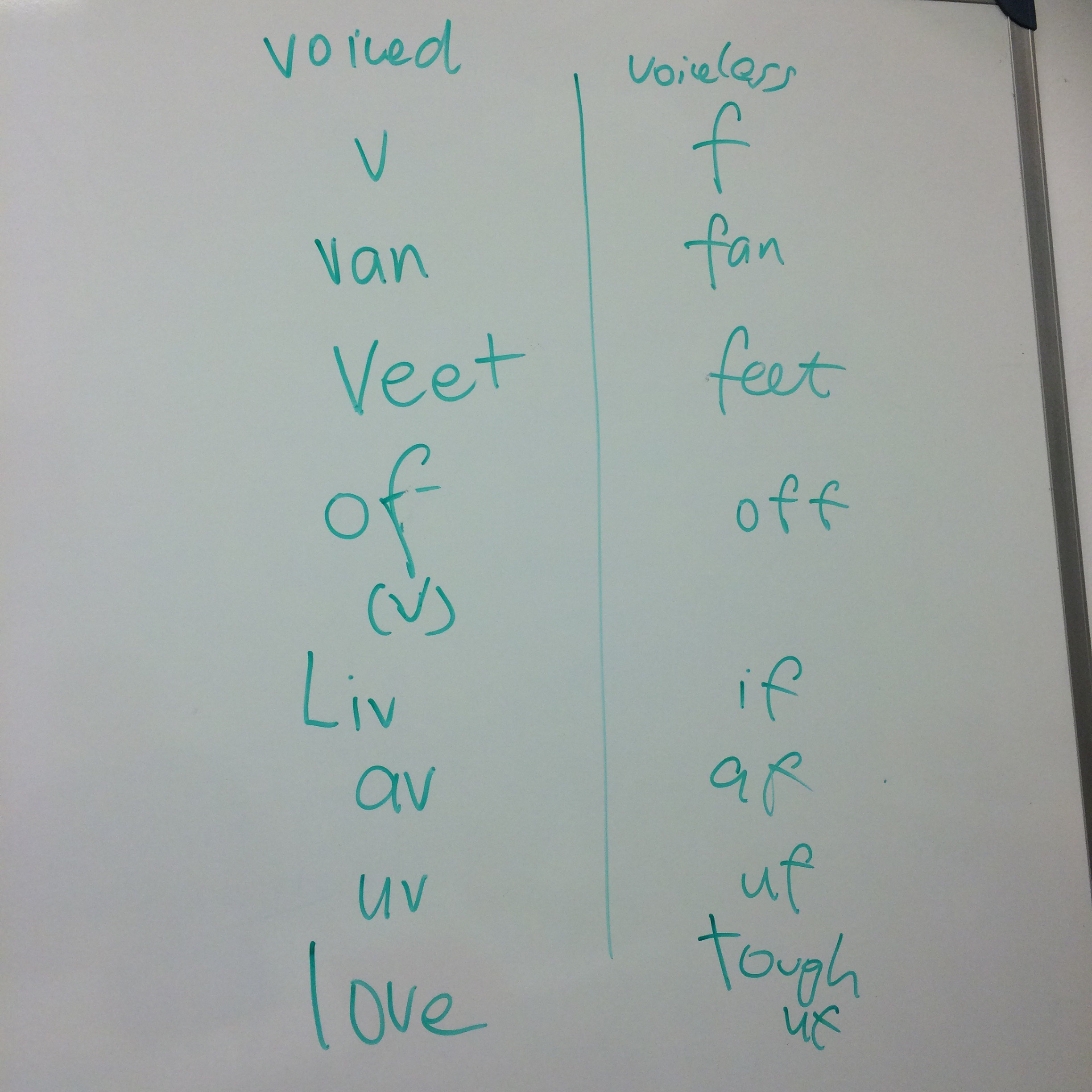
First up, I’m helping an adult who has been diagnosed with speech apraxia. We’re working on the consonants R, V and TH to increase the clarity of their speech. Lots of practice to strengthen those neurological pathways for speech and coordination.

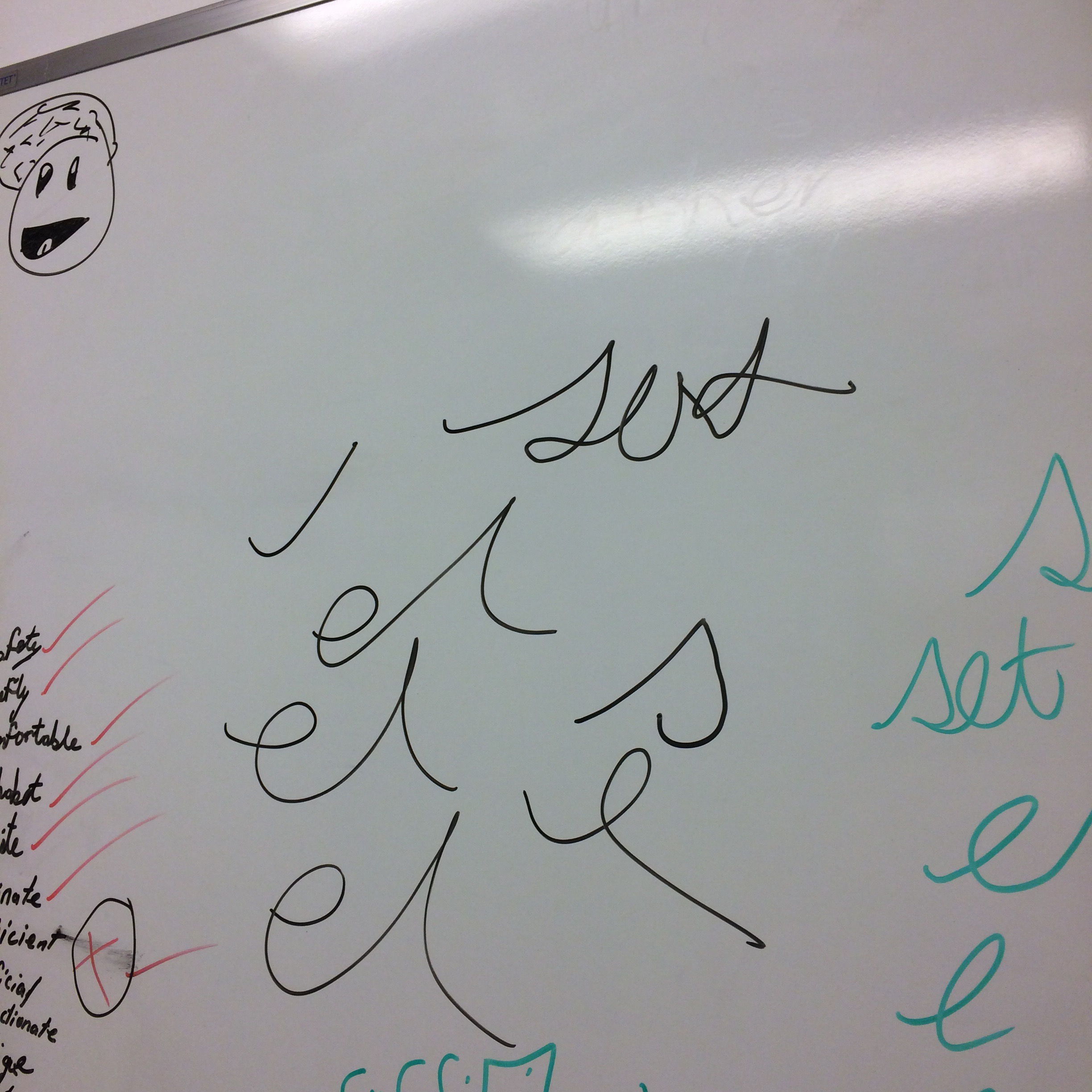
Next up, 2 Accent Training clients who happen to work on one of the hardest sounds of English – the TH sound. It isn’t easy to place the tongue in between the teeth to make the sound, but we manage to say our words (e.g., the, think….) and even practice them in phrase and sentences. We also practice word, phrase and sentence stress at the conversation level.ย A Toobaloo, a mirror and a set of teeth are used regularly to give my clients auditory, visual and tactile feedback, assisting their pronunciation and helping them to articulate various sounds correctly and clearly.

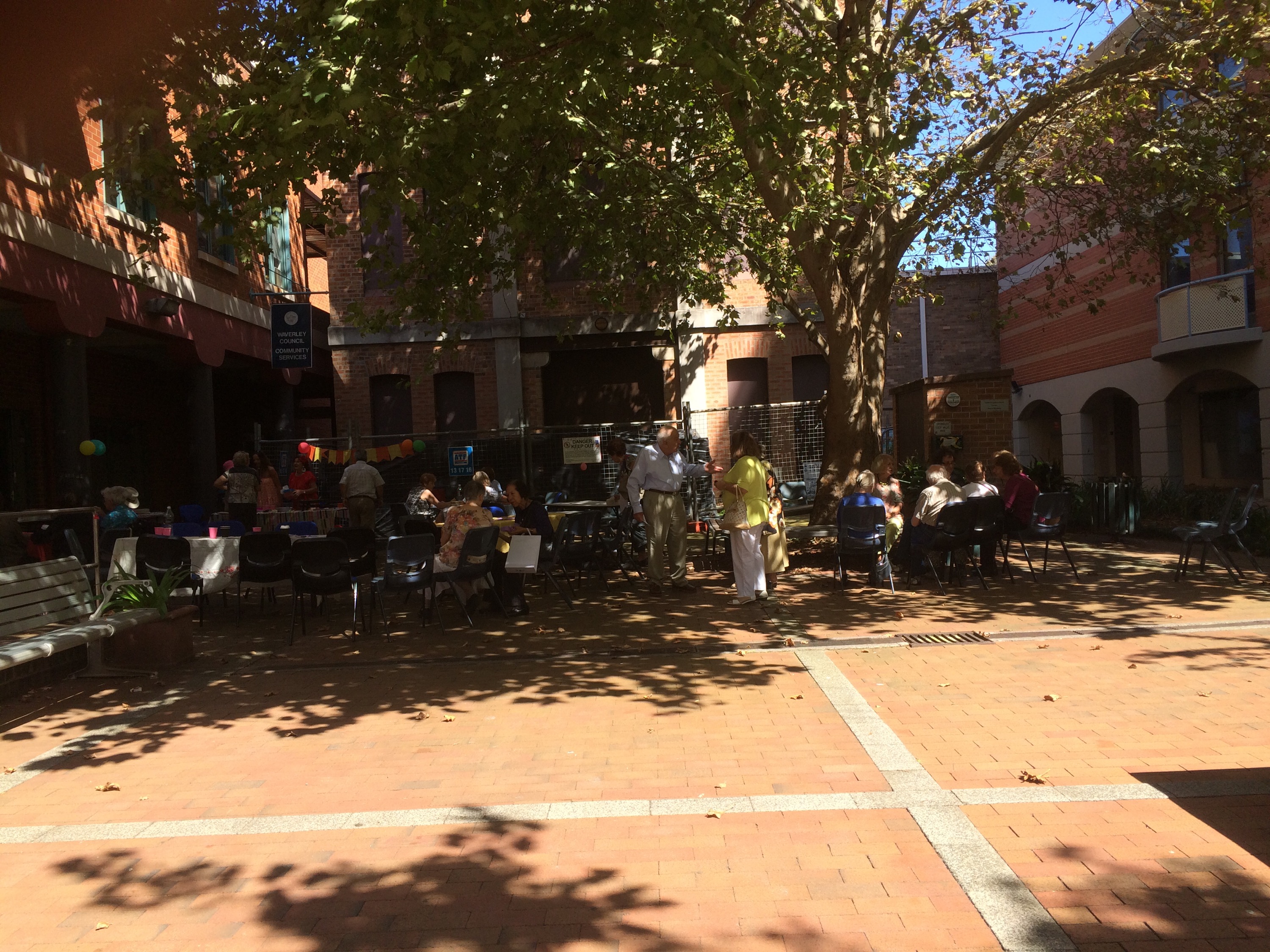
1 PM. Having lunch in the sun at a local cafe.

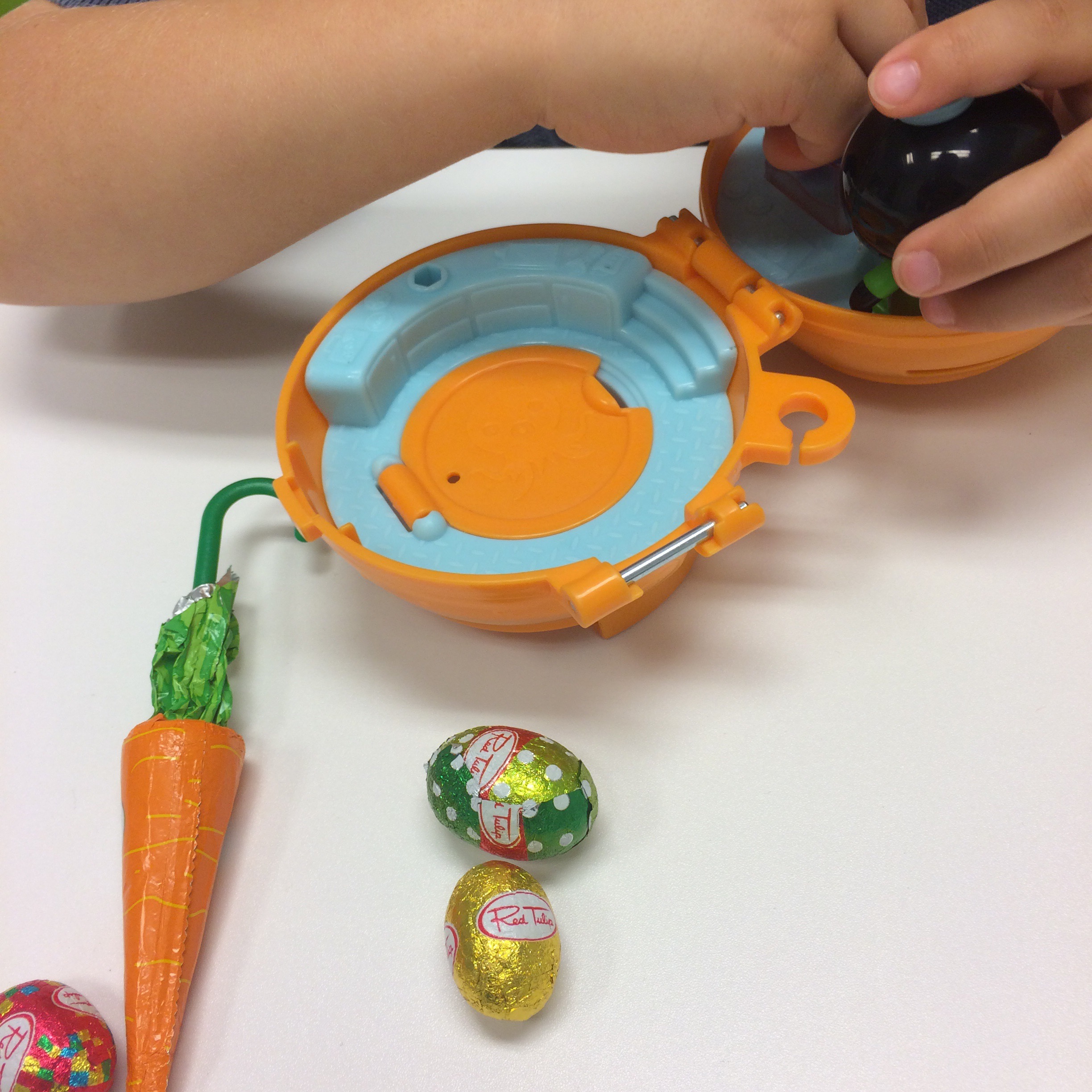
After lunch, I meet up with a 3-year-old who used to be non-verbal. This client can now speak in phrases and sentences and can also follow simple instructions. Fantastic! I was given some Easter eggs too.

Next, I’m working with a young client who has problem articulating various sounds such as the SK cluster (e.g., school, ski….). We start with some listening exercises and then proceed onto single words. The pirate game helps a lot when it comes to providing positive reinforcement.

At the end of the day, 2 High School students come to work on their reading and spelling. We have so much fun learning and practicing these skills.

The day has ended on a positive note. I am exhausted but feel so thankful to be working in an area that I’m absolutely passionate about: speaking, language and literacy.

Thank you for reading. Hope this ย blog gives you an idea of what it’s like to be a Speech Pathologist.

Until then, be happy and healthy.

Binh