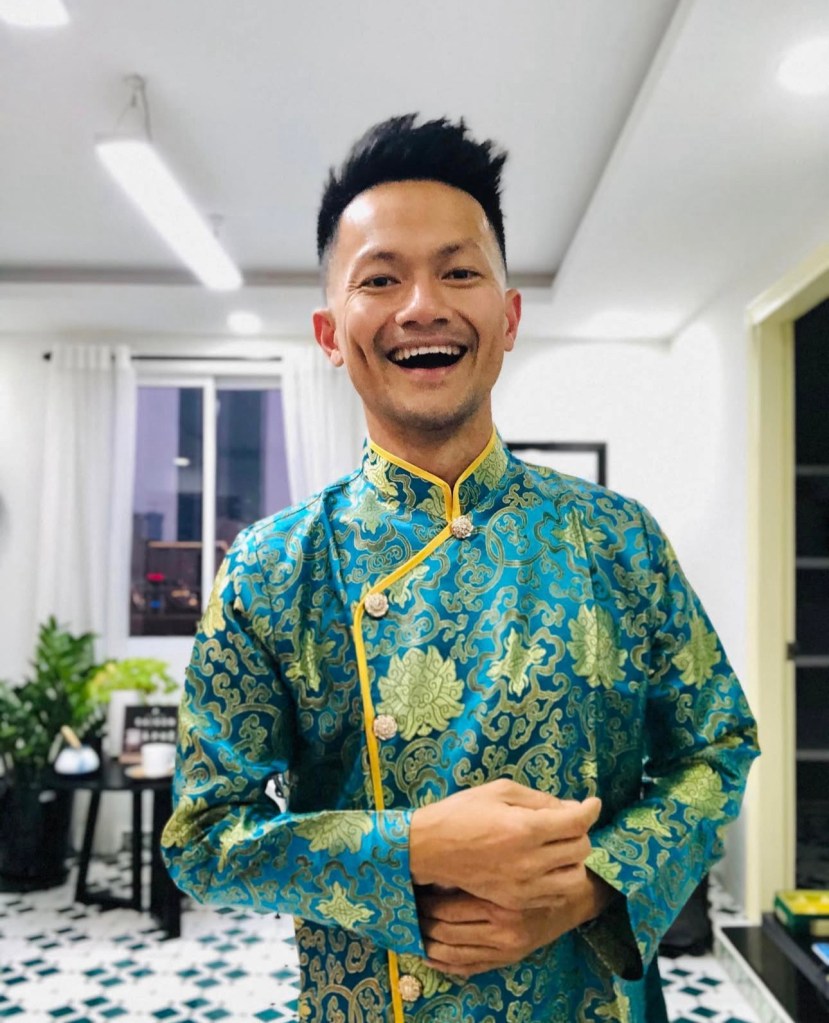
Stillness Isn’t Stagnation

There’s a quiet power in doing nothing. Yet for many of us – especially those who thrive on momentum, goals, and creativity – stillness can feel like weakness. We’re taught to move, achieve, and keep pushing. But what happens when our bodies – or life itself – tell us to stop?

When the Body Says “Enough”

Last month, during a pole class, I pushed myself too hard. I wanted to master a new combination, one I’d been working on for weeks. My body was tired, but I told myself, “Just one more try.”

Halfway through the move, I felt a sharp pain shoot through the side of my ribs. It was the kind of pain that silences the room, the kind that whispers, “You went too far.”

For the next few weeks, I couldn’t train the way I wanted. I had to rest – truly rest. At first, I felt frustrated. I worried about losing strength, rhythm, progress. But then something unexpected happened: I started to notice how exhausted I had been, not just physically, but mentally. My body wasn’t betraying me; it was begging me to listen.

The Lesson in Stillness

Yoga teaches me that every action has a counterbalance. Tapas – the fiery discipline that drives us – must always be held by santosha – the contentment that reminds us to rest in what is.

My rib injury became a teacher. It reminded me that stillness isn’t stagnation – it’s integration. It’s the moment when everything we’ve been working toward begins to settle and take form.

In that forced pause, I realized how much growth happens in the quiet. My body healed, yes, and so did my mind. I reflected on how often I equate motion with worth, productivity with purpose. Yet the truth is, I often find the deepest clarity not when I’m moving fast, but when I finally slow down enough to feel.

Rest Is Not Regression

Rest doesn’t mean going backwards. Just like muscles need recovery to rebuild stronger, our creativity, focus, and spirit need space to renew. Even nature rests – the tides pause, the moon wanes, the trees go still in winter.

If a tree doesn’t grow visibly for a season, we don’t call it lazy – we call it preparing. My rib was my winter. It forced me to pause, to breathe, to reflect. And when I finally returned to pole, I moved differently – more aware, more connected, more at peace with my pace.

Learning to Slow Without Guilt

For high-achievers, slowing down often comes with guilt. We worry that if we pause, we’ll fall behind. But I’ve learned that the pause is part of the rhythm – inhale, exhale; effort, surrender.

Stillness gives us perspective. It teaches us to trust the unseen which is the quiet recalibration happening beneath the surface. It’s not that progress stops; it simply moves inward.

The Beauty of the Pause

Now, when I step into the studio, I take a moment before every climb. I check in with my breath. I move from awareness, not adrenaline. I’ve learned that sometimes, slowing down is the most courageous thing we can do.

Because stillness isn’t stagnation.

It’s the sacred space where we soften, listen, and return to balance.

It’s where we stop striving long enough to remember why we started.

If you’ve ever felt guilty for resting, may this be your permission to pause. The world will still be there when you return, and you’ll meet it more whole, more grounded, and more alive.

Big hugs,

Bình

Relaxing at a cafe ☕️

For My Mother

Born in Vietnam, beneath a sky of fire,

She carried her youth through smoke and wire.

A girl who dreamed, yet set dreams aside,

So her children’s wings could open wide.

She never finished high school’s gate,

But wisdom grew in her hands of fate.

Simple in ways, yet clever and strong,

She taught us right, she steered us long.

Through years of labour, sacrifice, care,

She built us a future from dust and prayer.

I walk with her strength in all that I do,

Her spirit, her love, forever true.

Now gone, but never out of sight,

She lives in my heart, a steady light.

I miss her laughter, her gentle tone,

But thankful I am, for all she’s sown.

And so I stand, because she stood,

Turning hardship into good.

Her story lives in all I’ve become,

Forever my guide, forever my mum.

❤️

Why I Don’t Have an English Name & Why Authenticity Matters 🇻🇳 🪷

The Question That Often Comes Up

When I first moved to Australia as a teenager, one of the first questions people asked me was: “What’s your English name?”

Sometimes people didn’t even ask. They just assumed. I’ve been called Ben more times than I can count, probably because it sounds a little like Bình, and it felt easier for them.

Even my pastor in Brisbane once gave me the name Timothy. For a few months in high school, I tried it out. I introduced myself as Timothy, signed my name that way, and went along with it. But it never sat right. Every time I heard it, I felt disconnected, like I was playing a role that didn’t belong to me. Eventually, I let it go.

Names Carry Stories

In Vietnamese, Bình means peace. It’s short, simple, and powerful. More than that, it carries the story my parents gave me at birth. It connects me to my family, my culture, and the resilience of generations who lived through the Vietnam War.

Trading it for something “easier” felt like erasing that story. My name is part of who I am, and it deserves to be spoken.

Authenticity Over Convenience

I understand why many people adopt English names. Sometimes it feels easier. You don’t have to repeat yourself three times in class or sit through the awkward silence of someone struggling to pronounce it.

But for me, keeping Bình has been an act of authenticity. Yes, it means people stumble. Yes, sometimes they call me Ben without asking. But each time I correct them, I’m affirming: my name matters, and so do I.

Representation Matters

If people can learn to say names like Schwarzenegger or Tchaikovsky, they can learn to say Bình. It’s about effort, respect, and expanding what we consider “normal.”

By keeping my Vietnamese name, I hope I make space for others too. The more we hear names from different cultures in classrooms, workplaces, and communities, the more they become part of our shared story.

Owning My Identity

My name grounds me. It’s a reminder that I don’t need to reshape who I am to fit in. I am not Ben. I am not Timothy. I am Bình and that’s enough.

So no, I don’t have an English name. And I don’t need one. My name is part of my authenticity, and authenticity is something I’ll never trade away.

Names are not a burden; they’re a gift. Honor them, speak them, and wear yours with pride.

Whether it’s your name, your culture, or your story, don’t feel you have to shrink or change it for others.

Your authenticity is your strength. Be proud!

Hugs,

Bình

Unleashing Strength and Confidence: Lessons Learned from Four Levels of Pole Fitness

Embarking on a journey through 4 levels of pole fitness since June 2023, I discovered it’s much more than a physical workout; it’s a transformative experience that reshapes your body, mind, and soul.

As I swung, climbed, and twirled, I gleaned profound lessons that resonated beyond the pole studio walls. Here’s a reflection on the invaluable insights gained from this exhilarating journey.

  1. Courage: Facing Fears Head-On

Pole fitness, inherently challenging and often daunting, demands a significant amount of bravery. Initially, the very thought of performing a complex move high off the ground was nerve-wracking. However, each class, each attempt, and each fall taught me the essence of courage. It’s not the absence of fear but the determination to face it and rise above. The more I embraced the challenge, the more my fears diminished, and confidence took its place.

  1. Breaking Out of the Comfort Zone

Each level of pole fitness pushed me into uncharted territories. What seemed impossible in the beginning gradually became achievable. This journey was a constant reminder that growth lies in discomfort. Embracing the unfamiliar – be it a new spin or an upside-down manoeuvre – was empowering. It taught me to apply the same principle in life: to grow, one must dare to step out of their comfort zone.

  1. Letting Go: The Art of Trust and Surrender

Pole fitness is as much about mental strength as it is about physical prowess. It taught me the art of letting go – trusting my body, the pole, and the process. Whether it was releasing a hand during a spin or relying on my own strength to hold a pose, each step was a lesson in surrender and trust. It’s a powerful metaphor for life – sometimes, we need to let go and trust that we’ll land exactly where we’re meant to be.

  1. Practice: The Path to Mastery

Pole fitness reiterated the adage: practice makes perfect. Mastering the art didn’t happen overnight. It took consistent effort, dedication, and an unyielding will to improve. With each practice, I not only refined my technique but also built resilience and determination. This journey instilled in me that perseverance and consistent effort are key to achieving excellence in any field.

  1. Connections: The Strength in Community

Perhaps one of the most beautiful aspects of this journey was the sense of community and connection. Pole fitness brought together individuals from diverse backgrounds, each with their own stories and struggles. The encouragement, support, and camaraderie experienced within this community were heart-warming. It emphasized the power of connections and how they can uplift, motivate, and inspire us in our endeavours.

As I reflect on my pole fitness journey, I realize it has been a profound journey of self-discovery and empowerment. Each level not only sculpted my body but also fortified my mind and spirit.

The lessons learned here – courage, stepping out of the comfort zone, letting go, the importance of practice, and the power of connections – are universally applicable. Pole fitness, thus, is more than a sport; it’s a conduit to a stronger, more confident, and connected self.

Here’s to more learning! 💪🏽

Level 5 here I come!

Video: my pole school Pole Athletica

https://poleathletica.com

How to set SMART goals

Discover the power of SMART goals in driving personal and professional success! In this insightful video, we delve into how setting Specific, Measurable, Achievable, Relevant, and Time-bound goals can be a game-changer in achieving your aspirations. Learn how clearly defined goals enhance focus and direction, how measurable objectives allow for tracking progress and celebrating milestones, and the importance of setting realistic and attainable targets to maintain motivation. Understand why aligning your goals with your core values and long-term vision is crucial, and how time-bound objectives create a sense of urgency and momentum. This video is not just about goal-setting, it’s about transforming your approach to achieving success in every aspect of life. Join us as we unlock the full potential of SMART goals!

Making Space for the Vertebrae: The Call to Stretch and Move!

In our modern era of screen time, desk jobs, and sedentary living, the phrase “sitting is the new smoking” resonates more than ever.

It’s a powerful reminder that something as seemingly innocuous as sitting can have profound implications on our health. The good news is that the solution is simple and attainable: stretch & move!

Why Stretching & Moving Matter?

While our bodies are designed for movement, many of us spend countless hours each day tethered to our desks, typing away and gazing at screens. Over time, this sedentary lifestyle can lead to:

– Muscular imbalances

– Reduced flexibility

– Increased risk of chronic diseases such as heart disease and diabetes

– Poor posture

– Strain on our vertebral discs and back muscles

On the other hand, stretching and moving regularly can:

– Improve circulation

– Enhance flexibility

– Strengthen muscles

– Reduce tension and stress

– Boost overall well-being

Tips to Get You Moving:

1. Set a Timer: Every hour, take a 5-minute break to stand up, stretch, or take a short walk. There are many apps available that remind you to take regular breaks.

2. Desktop Yoga: Believe it or not, you can do several yoga poses right at your desk! Seated spinal twists, seated cat-cow stretches, and seated forward bends can all help release tension.

3. Invest in Ergonomic Furniture: Adjustable standing desks can help you alternate between sitting and standing throughout the day.

4. Use Your Lunch Break Wisely: Instead of eating at your desk, go outside and take a walk. Even 10-15 minutes of walking can refresh you for the afternoon ahead.

5. Stretching Routine: Start and end your day with a full body stretching routine. Morning stretches can energize you, while evening stretches can help in relaxation.

6. Opt for Active Meetings: Instead of sitting in a conference room, suggest walking meetings. It can be a fun way to discuss projects while getting some steps in.

7. Stairs Over Elevators: If possible, choose stairs over elevators. It’s a simple change that can make a significant difference over time.

So, let’s break free from the chains of our chairs and embrace the joy and vitality that come with movement! By making a conscious effort to stretch and move regularly, not only are you ‘making space for the vertebrae,’ but you’re also paving the way for a healthier, more vibrant life.

Love,

Binh

From Vietnam to Australia: Riding Waves, Chasing Dreams, and the Lessons Along the Way

Every family story has its ups and downs, unexpected turns, and memorable moments. Mine begins in the bustling streets of Saigon and winds its way to the vast landscapes of Australia.

Imagine living through the era of the Vietnam War. My parents did. Their lives were shaped and contoured by the relentless combination of gunshots and bomb explosions. By the time I was born in the 80s, the war had settled into history, but for my older siblings, its memories were more vivid.

Now, here’s a twist in our story: faced with the hardship of post-war Vietnam, Dad dreamt of getting us to America, and he wasn’t thinking of just any regular journey. He planned to take us there by boat. Yes, you heard that right—a boat!

But life, with its mysterious ways, had other plans. Despite trying three times, the boat journey to America remained an unfulfilled dream. But Dad’s spirit? Unbreakable. When one door (or sea route) closed, he looked elsewhere, spotting a business opportunity in lacquerware right at home. This venture wasn’t just about keeping the lights on; it was about a larger vision: securing top-tier education for us.

Australia soon became our beacon. We were lucky to fly here as overseas students. A reality check of being overseas students in Australia? It was like ordering the most expensive item on the menu every single time. Yet, my parents were undeterred. They believed in investing in quality education. One moment that would stay in my memory forever was when they’d have us wear thick jackets under Vietnam’s blazing sun in a light-hearted prep for Australia’s cooler climates. This was to help us visualise a different lifestyle and to get us ready for a new chapter. We all migrated to Australia in the end.

This roller-coaster of experiences taught me a few valuable lessons:

1. Embrace change: when plans go awry, adapt, and find another way. That’s how you turn roadblocks into stepping stones.

2. Understanding sacrifice: witnessing my parents’ efforts, from boat plans to business ventures, all to ensure our education, was a masterclass in sacrifice and priorities.

3. Never give up: Dad’s three boat attempts taught us that it’s not about how many times life throws you off course, it’s about charting a new one with even more determination.

Through all the waves we rode, both literally and figuratively, the journey instilled in us that dreams might evolve, but with tenacity and patience, they can come to life in the most unexpected ways.

May your wishes and dreams come true!

Love,

Bình

10 Ways to Quiet the Mind

In today’s fast-paced world, with an overload of information and distractions, it can be challenging to find moments of peace and stillness. A quiet mind can lead to clarity, increased awareness, and inner peace, improving our overall well-being.

Here are 10 techniques and practices to help quiet the mind:

1. Deep Breathing: Whenever you find your mind racing, take a few deep breaths. This simple act can help centre yourself, reduce stress, and quiet the mind.

2. Mindfulness: This practice involves staying present and fully engaging with the here and now. Whether you’re eating, walking, or just breathing, be fully present in that moment, letting go of regrets from the past or worries about the future.

3. Meditation: This ancient practice offers various benefits, including the ability to quiet the mind. Start with just a few minutes each day, focusing on your breath or a mantra. As your practice deepens, you’ll find it easier to enter a state of stillness.

4. Nature Walks: The natural world has a calming effect on the mind. Taking regular walks in nature, away from the noise and hustle of urban environments, can bring profound peace and stillness to the mind.

5. Digital Detox: Reduce screen time, especially from social media. Dedicate specific times during the day when you are free from all electronic devices. This can help in decluttering the mind and reducing the constant influx of information.

6. Journaling: Writing down your feelings and thoughts can be therapeutic. It helps in organising your thoughts, reflecting on your day, and understanding your emotions better.

7. Reading: Engage with a good book that captivates your attention. Fiction can transport you to another world, while non-fiction can give you new insights and perspectives. Either way, it’s a break for your mind from the usual chatter.

8. Limiting Multi-tasking: While it might seem efficient, multi-tasking can scatter your focus and keep your mind busy. Try single-tasking and fully immerse yourself in one activity at a time.

9. Listen to Calming Music or Sounds: Sounds have a profound impact on our state of mind. Whether it’s classical music, nature sounds, or white noise, find what soothes you and use it to bring peace to your mind.

10. Engage in Physical Activity: Exercise, be it yoga, walking, or any form of physical activity, releases endorphins which act as natural painkillers and mood elevators. Engaging in regular exercise can help in keeping the mind calm and rejuvenated.

In conclusion, while external factors often contribute to mental noise, the key to a quiet mind lies within. With consistent practice and mindfulness, we can train our minds to find stillness amidst chaos.

For those interested in delving deeper into practices and philosophies surrounding a calm and quiet mind, the following books offer invaluable insights:

1. “The Power of Now: A Guide to Spiritual Enlightenment” by Eckhart Tolle: This bestseller delves into the importance of living in the present moment and the profound peace that comes with it.

2. “Wherever You Go, There You Are: Mindfulness Meditation in Everyday Life” by Jon Kabat-Zinn: A seminal text on the practice of mindfulness, this book offers practical advice on integrating meditation into daily life.

3. “10% Happier: How I Tamed the Voice in My Head, Reduced Stress Without Losing My Edge, and Found Self-Help That Actually Works–A True Story” by Dan Harris: A sceptic’s guide to meditation, Harris narrates his personal journey with humour and honesty.

4. “Radical Acceptance: Embracing Your Life With the Heart of a Buddha” by Tara Brach: This book combines personal anecdotes, guided meditations, and insightful teachings on finding inner peace through acceptance.

5. “The Untethered Soul: The Journey Beyond Yourself” by Michael A. Singer: This book delves into the question of who you are and provides pathways to experience the freedom and peace of a quiet mind.

6. “Silence: The Power of Quiet in a World Full of Noise” by Thich Nhat Hanh: The Zen master explores the benefits of cultivating inner silence and offers techniques to find it amidst daily chaos.

7. “Stillness Speaks” by Eckhart Tolle: In this deeply reflective work, Tolle emphasizes the transformative power of silence and stillness.

Remember, the journey to a quiet mind is ongoing, but with commitment and practice, it’s an attainable goal that offers profound rewards.

Much love,

Binh

Embracing My Roots: From Binh to Ben and back again

The bustling streets of Saigon, Vietnam, with their harmonious chaos of sights and sounds, formed the backdrop of my early years. Born with the name Binh, which means ‘peace’ in Vietnamese, it was a cherished gift from my maternal grandfather.

My life took a sharp turn when I decided to move to Australia at the age of 15. A new land, new customs, and a new identity awaited me.

Australia was a melting pot of cultures, yet I quickly realized that not every aspect of my identity would easily blend in. The uniqueness of my Vietnamese heritage became particularly prominent during my school years. At school, my name, Binh, was often the subject of mockery as children would equate it with a rubbish ‘bin’. The desire to fit in and weight of the teasing became so burdensome that my pastor at church suggested a change – from Binh to Tim. This was meant to be a fresh start, a way to integrate more seamlessly into the English-speaking culture.

As I transitioned to my professional life, working as a speech pathologist, the challenges around my name persisted. Although ‘Tim’ didn’t quite feel like me, I worried that a Vietnamese name might form a barrier between my clients and myself. Would they question my qualifications? Would they confide in someone whose name felt foreign to them? Seeking a middle ground, I adopted the name ‘Ben’. It felt more neutral, and I hoped it would build trust more effortlessly.

For several years, I practiced as Ben. It was an identity that sat better than Tim but was still a mask that I wore. Until one day, I had a moment of introspection. Here I was, helping people find their voice, when I had silenced an integral part of mine. Was I doing a disservice to myself and to those who looked up to me by hiding my true identity?

With a renewed sense of purpose, I decided to revert to my original name – Binh. The worries that had plagued me about clients and trust seemed trivial now. If my work spoke for itself, the name should not matter. And as I predicted, my clients continued to seek my help, unfazed by the name change.

This journey has taught me a powerful lesson about identity and the importance of embracing one’s roots. Changing our names to fit into an English-speaking environment might seem like a harmless adaptation, but in reality, it’s a relinquishing of a part of our identity.

To everyone who has faced similar struggles – remember that your name is a beautiful reflection of your heritage and culture. It’s a story, an identity, and a connection to your roots. Binh, which signifies peace, was not just a name but a representation of my Vietnamese heritage. Don’t hide it, embrace it. Be proud of who you are, because your true identity is not a barrier but a strength.

Much love,

Binh

8 Ways to Relate Well to Children

After working with children for a number of years in the speech pathology industry, I’ve been able to learn how to relate well to them.

Building rapport with children involves communicating effectively, understanding their needs and creating a positive connection.

Here are some tips that you might find helpful when interacting with the little ones:

With one of my students at Speakable Speech Pathology (Permission to post given by parents)

1. Show genuine interest: Take a sincere interest in what children have to say. Ask them questions, listen and respond with enthusiasm. Show that you value their opinions and thoughts.

2. Use age-appropriate language: Change your language and vocabulary to suit the child’s comprehension level and age. Avoid using complex terms when explaining things. Speak clearly and use simple words to ensure their understanding.

3. Active listening: Give children your full attention when speaking to them. Maintain eye contact, nod, and respond appropriately. This shows them that you are listening and that their words matter.

4. Respect their feelings: Children experience a wide range of emotions. Acknowledge their feelings, whether negative or positive, and validate them. Help them understand and express their emotions in healthy ways.

5. Be patient and understanding: Children may take time to express themselves or understand certain concepts. Be patient and give them time and space to process their thoughts. Offer your support when needed. Avoid rushing or dismissing their concerns.

6. Play and engage: Children learn through play and engaging activities. Join in their playtime, participate in their games, and encourage their creativity. This creates a sense of connection and makes them feel valued.

7. Use positive reinforcement: Praise and reward them for their efforts and achievements. Focus on their strengths and encourage their progress. Positive reinforcement boosts their self-confidence and motivates them to continue learning and growing.

8. Be a role model: Children often observe and imitate the behavior of adults around them. Demonstrate respect, kindness, empathy, and good manners. Model positive behavior and values to set a good example for them.

Ultimately, every child is unique and it’s important to adapt these tips to suit their individual needs and personalities. Building a strong relationship with children takes time and effort, but the rewards are invaluable.

Thank you for reading,

Bình