10 Life Lessons I Learned Working in Hospitality During Uni

Back when I was living in Brisbane for university, I worked part-time at a family-run restaurant to help cover my expenses. What started as a casual job to pay the bills turned into one of the best experiences of my life.

I spent four years waiting tables at a busy Vietnamese restaurant and in that time, I learned lessons about people, resilience, and real-world problem-solving that no university course could have taught me.

Here are ten lessons that I’ve learned:

1. Service is an attitude, not just a task

Being a good waiter wasn’t just about delivering food – it was about being present, attentive, and kind, even when I was exhausted. I learned that how you make someone feel is just as important as what you serve them.

2. People remember how you treat them

From customers celebrating special occasions to tired parents just needing a night off from cooking, each interaction mattered. A warm smile or remembering a regular’s order made a big impact and often led to better tips too!

3. Multitasking is a skill you can master

Juggling ten tables, a full drinks tray, and a mental list of who needed what taught me to prioritise, stay calm under pressure, and move fast without panicking. That ability to multitask has helped me in every job since.

4. Clear communication prevents chaos

Misheard orders, wrong table numbers, or unclear notes for the kitchen could snowball into unhappy customers and wasted food. I quickly learned to communicate clearly and double-check everything. These are the skills I now use daily.

5. It’s never personal

Not all customers were kind. Some were rude, impatient, or dismissive. Learning not to take it personally helped me stay grounded, professional, and focused on doing my job well without carrying emotional baggage into the next table.

6. Cultural pride can be found in the smallest moments

Working in a Vietnamese restaurant gave me the chance to proudly share my culture with people who may have been trying dishes like pho, bun bo hue, or goi cuon for the first time. I loved explaining the ingredients, the stories behind dishes, and why certain sauces were paired with specific foods.

7. Listening is a superpower

I got better at reading the room, noticing when someone needed help, or just giving space to people having a rough day. Listening with my ears, eyes, and instincts made me better at connecting with people from all walks of life.

8. A strong team makes all the difference

You can’t run a busy floor alone. We backed each other up, swapped shifts, and helped clear each other’s tables. There was no ego but just teamwork, trust, and a shared goal to make each night run smoothly.

9. Respect the hustle behind the scenes

The chefs who prepped broth from 6am. The owner who handled the books after hours. The kitchenhands who stayed late to clean. Seeing their dedication helped me appreciate the value of hard work and what it really takes to run a small business.

10. The smallest moments leave the biggest impressions

A quiet thank-you. A small tip from a regular. A child who gave me their drawing as a “tip.” These moments reminded me that even in a fast-paced, often thankless job, there’s always space for human connection and joy.


Working in hospitality in Brisbane while studying wasn’t easy, but it taught me grit, grace, and gratitude. It grounded me. It connected me with people I never would’ve met otherwise. Most importantly, it gave me life skills I still use today in business, relationships, and everyday life.

If you’ve ever worked in a restaurant, you’ll understand – you walk in for a paycheck, but if you pay attention, you leave with so much more. Those years taught me that no job is ever “just a job” as every experience, if you let it, shapes who you become.

Bình

If you believe: Finding my voice in a new country

When I was 15, I moved to Australia from Vietnam, and honestly, it was rough.

I didn’t speak much English. I was shy. Everything felt different and unfamiliar. I’d sit in class, trying to keep my head down, hoping no one would notice me. Not because I didn’t care – I just didn’t know how to join in. I had so many thoughts but couldn’t really find the words to express them.

At times, it felt like my voice was stuck somewhere deep inside, and I didn’t know how to bring it out.

But something in me wouldn’t quit. Maybe it was the thought of my family, who gave up so much to get me here. Maybe it was just that quiet belief that somehow, I could figure it out. So I kept going.

I studied harder than ever. I asked questions, even when it made me uncomfortable. I read everything I could. I slowly pushed through the fear and the awkwardness. One step at a time.

Eventually, I started to get it. I made it through high school. Then I went on to uni. Then, against all odds, I became a biomedical scientist.

But my journey didn’t stop there.

Because of what I went through – struggling with language, confidence, and connection – I felt drawn to help others who might feel the same. So, I became a speech pathologist. Fast forward to today, I now run my own clinic in Sydney, supporting kids and families to find their voice, build their confidence, and feel heard.

It’s crazy to think back to that quiet 15-year-old version of me, the one who felt lost and unsure. He wouldn’t believe where we are now.

But that’s the thing. You don’t need to have it all figured out at once. You just need to take the next step. And then the next.

If there’s one thing I’ve learned, it’s this: when you believe in yourself, even just a little, you can overcome way more than you think.

So, if you’re struggling right now, or feeling like you’re behind, or like you don’t belong – keep going.

You’ve got more strength in you than you know.

And if you believe in yourself, even a tiny bit, that’s enough to start.

Hugs & peace,

Bình

From Passion to Practice: 8 Lessons Learned in 11 Years of Business

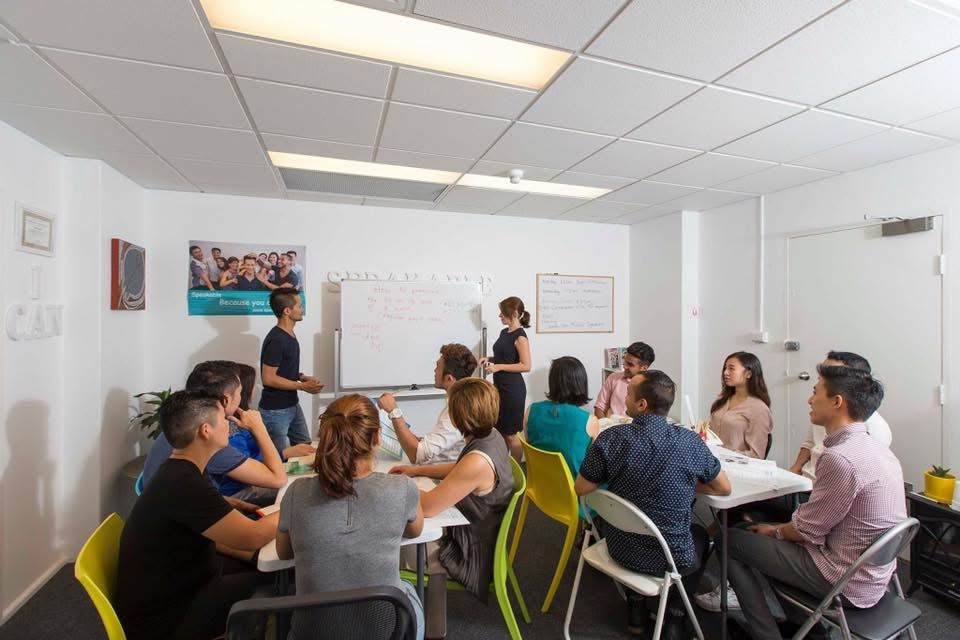
Have you ever wondered what it takes to turn a childhood interest in business into a flourishing speech pathology practice? Growing up, I was more fascinated by the hustle of helping my parents with their business in Vietnam than by any school lesson. This early experience sparked a love for entrepreneurship that eventually led me to start Speakable Speech Pathology in 2014 in Sydney, Australia. 

Over the past decade or so, I’ve picked up a few key lessons that have not only shaped how I approach my profession but have also deeply enriched my personal life. 

Here are 8 big takeaways from my journey:

1. Relationships are everything

At our practice, it’s all about more than just the usual appointments; it’s about building real, meaningful connections. We treat everyone who walks through our door like family. This friendly vibe helps everyone feel included and supported, not just during sessions but as part of our bigger family circle. It’s cool to see how this turns our clients into friends who really get involved and feel connected to what we do at Speakable.

2. Stay flexible

During the COVID-19 pandemic, we quickly adapted by transitioning to telehealth services. This not only kept our practice running but also demonstrated our commitment to our clients’ progress and well-being under any circumstances. Flexibility in therapy approaches, like incorporating more digital tools or adjusting strategies based on client feedback, has also been crucial.

3. Never stop learning

My team and I personally take courses annually on the latest developments in speech & language pathology which has tremendously enhanced the therapy sessions we offer. Staying updated through continual education ensures that we are equipped with the most effective and innovative therapy techniques.

4. Set boundaries for a healthy work-life balance

Learning to set boundaries early on was essential. For example, I make it a point to not schedule clients after 6 PM so that I can have evenings with my friends, family and other hobbies. This helps maintain a sustainable work-life balance and prevents burnout.

5. Broaden your horizons

We diversified our services by introducing group therapy sessions and workshops for parents on how to support speech development at home. This not only helped stabilize our revenue streams but also catered to a broader segment of our community, enhancing our practice’s impact.

6. Get involved locally

Participating in local health fairs and school events has significantly boosted our practice’s visibility and reputation. By offering free screenings and workshops, we’ve been able to demonstrate our commitment to community wellness and draw in new clients who are looking for trusted local services.

7. Embrace technology

Investing in an integrated practice management software revolutionized how we handle appointments, billing, and client records. This technology has not only streamlined administrative tasks but also improved client satisfaction through smoother processes.

8. Feedback is gold

We regularly collect feedback through surveys at the end of each therapy cycle. This has been instrumental in fine-tuning our services. Celebrating positive feedback and addressing constructive criticism transparently has helped foster a culture of continuous improvement.

Running a speech pathology business is so much more than a day job—it’s a never-ending adventure of growth and discovery. These 8 lessons we’ve shared are just the beginning. Each day brings new challenges and opportunities that push us to learn more, do better, and think bigger. I’m really pumped to see where these insights will lead us and how they’ll help us make an even bigger impact. 

What kind of business are you running or thinking of starting? How do you see it evolving? Let’s inspire each other with our stories and ambitions!

Binh

Blending Art and Science: The Intersection of Acting and Speech Pathology

As someone deeply embedded in both the acting world and the realm of speech pathology, I’ve discovered some powerful synergies between the two disciplines that have profoundly influenced my approach to therapy.

Acting, at its core, is about communication—conveying emotions, ideas, and narratives in a way that resonates with an audience. Similarly, speech pathology focuses on enhancing a person’s ability to communicate effectively. 

But how exactly does acting influence my practice as a speech pathologist? Let me share some real-world insights and stories from my journey.

Using acting techniques to build confidence

One of the first lessons in acting is about building confidence—being able to stand in front of an audience and deliver your lines without letting your nerves get the better of you. This aspect of acting has been invaluable in my speech pathology sessions, especially with clients who struggle with speech anxieties or social communication.

For instance, I worked with a young client, let’s call her A, who was extremely shy and had difficulty speaking up in class. Drawing from acting, I introduced her to warm-up exercises like those used in theatre rehearsals. We practiced projecting her voice, using exaggerated expressions, and even some improvisation games. Over time, Mia’s confidence increased. She began participating more actively in class discussions and even joined drama as one for one of her school subjects.

Emotional expression and speech dynamics

Acting has taught me a lot about the nuances of emotional expression and how these can enhance speech dynamics. In therapy, I often use exercises that actors employ to convey different emotions through tone, volume, and pace. This is particularly useful for clients who speak in a monotone or whose speech lacks variation.

Take the case of S, a teenager with autism who struggled with monotonous speech. By incorporating role-playing scenarios that required expressing excitement, sadness, or curiosity, S began to understand how his tone could change the meaning of his words. His newfound ability to vary his speech made his communication more engaging and expressive.

Script analysis and speech planning

In acting, script analysis helps actors understand their characters’ motivations, which influences how they deliver their lines. This concept translates seamlessly into speech pathology, where I teach clients to plan their speech depending on their communication goals.

For example, during a session with a client preparing for a job interview, we analysed typical interview questions as if they were lines from a script. We discussed the intent behind each question and planned appropriate responses, focusing on delivering them in a way that showcased his strengths and enthusiasm for the position.

Feedback and adjustment

Finally, the iterative process of acting—where you continually receive feedback and make adjustments—is a critical component of effective speech therapy. Just as a director provides feedback to actors, I provide continuous, constructive feedback to my clients to help them refine their communication skills.

In a recent group therapy session, we created a mini-play, and each participant had roles with specific speaking parts. After each run-through, we discussed what went well and what could be improved, much like a rehearsal discussion in a theatre setting. This not only helped in fine-tuning speech skills but also fostered a supportive community among the participants.

Conclusion

The intersection of acting and speech pathology is a testament to how art and science can blend beautifully to enhance human capabilities. By integrating acting techniques into my speech pathology practice, I’ve been able to offer unique, creative solutions that motivate, inspire, and make learning enjoyable for my clients. Whether it’s through confidence-building, emotional expression, strategic planning, or iterative feedback, the art of acting continues to enrich the science of speech therapy in dynamic ways.

This cross-disciplinary approach not only makes therapy sessions more effective but also more enjoyable, proving that sometimes, a touch of art is just what science needs to change lives for the better.

I’d love to hear your thoughts or experiences on blending art with science in your own careers. Drop a comment below or reach out on my socials!

Bình

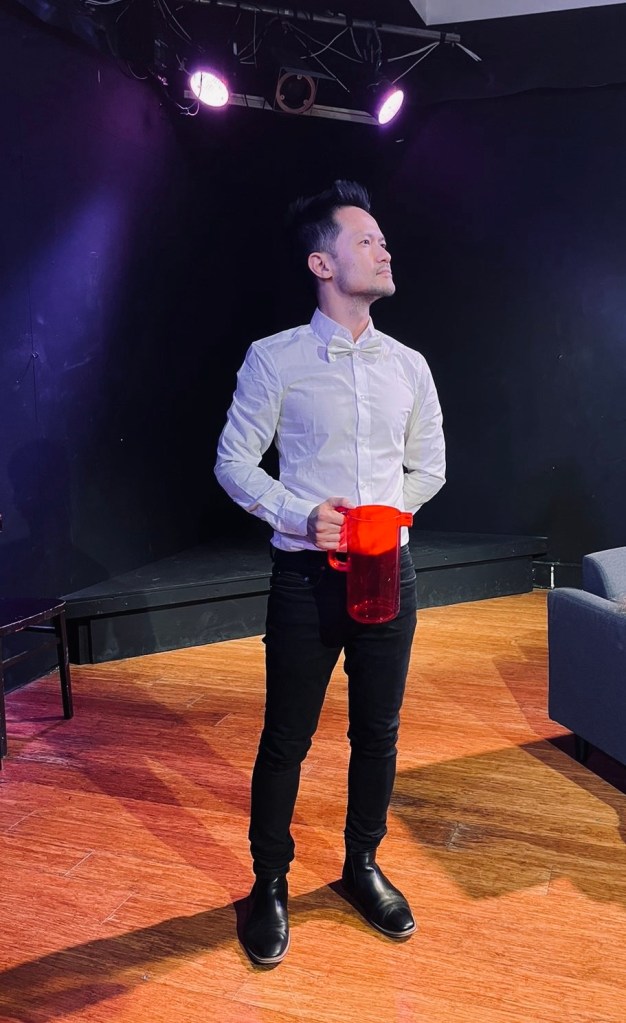
“An Inspector Calls” at Darlo Drama, Sydney, 2023

“Macbeth” with Matt Dell at Darlo Drama, Sydney, 2024
Advertising for Pearson, Sydney, 2024

Finding Balance: Juggling It All

So, you’re wondering how I manage everything from stand-up comedy classes and acting, to pole fitness, jiu-jitsu, and a full-time gig in speech pathology? Well, it’s definitely a mix of fun and frantic, but here’s how I keep things rolling without dropping the ball.

1. Setting goals

Each activity I’m into has its own vibe and purpose. Comedy keeps me on my toes, acting builds my empathy, pole and jiu-jitsu keep me fit, and my day job? Well, that’s where I get to make a real difference helping people communicate. I set clear goals for each to make sure they’re not just random things I do, but integral parts of who I am and want to be.

2. Time management

This is key. I’ve got a digital calendar that’s color-coded and blocked out for each activity. It sounds a bit much, but it helps me ensure I’m dedicating enough time to each without overbooking myself.

3. Self-care

Can’t stress this enough. With a schedule like mine, running out of juice is a real risk. So, I make sure to get enough sleep, eat right, weekly massages, and throw some yoga/mindfulness into the mix. It keeps my energy up so I can keep up with everything I’ve set out to do.

4. Stay flexible

Plans change and so do my energy levels. Some days, the best move is to skip the gym for some extra downtime. Being flexible means I can adjust on the go, which keeps me from burning out.

5. Connect the dots

Linking what I learn and experience in one area of my life to others helps too. The confidence from acting and comedy? It’s gold when I’m at work. Everything feeds into everything else in some way.

6. Lean on your squad

It’s tough to manage all this on your own. I’ve got friends, fellow hobbyists, and co-workers who get the hustle. They’re great for bouncing ideas off or venting when things become difficult.

7. Check-in with yourself

Every now and then, I take a step back to see what’s working and what’s not. It’s about being honest with myself and tweaking things if something feels off, like cutting back on an activity that no longer fits.

Balancing a bunch of passions with work is crazy but fulfilling. It’s all about enjoying the ride without getting overwhelmed. Organize, prioritize, and be ready to adapt. That’s how you make it work without losing your cool.

Comment below if you have any other tips and tricks.

Cheers,

Binh

Empowering voices, Enriching lives

How to Stay Motivated for the New Year 2025

As we step into 2025, it’s the perfect time to set intentions and recharge our motivation. The new year is like a blank page—full of opportunities to grow, achieve, and thrive.

But how can we maintain that fresh-start energy long after January?

Over the years, I’ve gathered these strategies from experts in personal development, including insights from James Clear (author of Atomic Habits), Dr. Angela Duckworth (author of Grit), and the wisdom shared by life coaches and psychologists in various workshops. Here’s what I’ve learned:

1. Set Clear Goals

Define what success looks like for you this year. Break big goals into smaller, actionable steps, and celebrate each win along the way. James Clear emphasizes that “systems are more important than goals”—focus on daily habits that align with your vision.

2. Focus on Your “Why”

Motivation flourishes when you have a strong reason behind your goals. Dr. Angela Duckworth’s research highlights the power of purpose in sustaining grit. Ask yourself, Why do I want this? Keeping your “why” front and center builds resilience.

3. Build a Positive Routine

Consistency beats perfection. Start your mornings with habits that inspire you—a quick workout, journaling, or savoring your coffee without distractions. James Clear advises starting small and building momentum, proving that tiny habits lead to big changes over time.

4. Surround Yourself with Positivity

Your environment matters. Life coach Tony Robbins often emphasizes the impact of those you spend time with. Surround yourself with people who encourage you, inspiring books, or motivational podcasts. Positive energy is contagious.

5. Embrace Flexibility

Life is unpredictable. Instead of seeing obstacles as failures, view them as detours to learn and grow. Experts like psychologist Carol Dweck advocate for a growth mindset—an attitude that helps you adapt and thrive.

6. Reflect and Recalibrate

Check in with yourself regularly. Are your goals still aligning with your values? Reflection keeps you focused and ensures you’re heading in the right direction. Many high achievers, like Oprah Winfrey, stress the importance of self-assessment to stay motivated.

As 2025 unfolds, remember: motivation isn’t a constant—it’s something you cultivate. Show up for yourself daily, and by the time 2026 rolls around, you’ll be amazed at how far you’ve come.

Happy New Year! 🎉

Binh


Unleashing Strength and Confidence: Lessons Learned from Four Levels of Pole Fitness

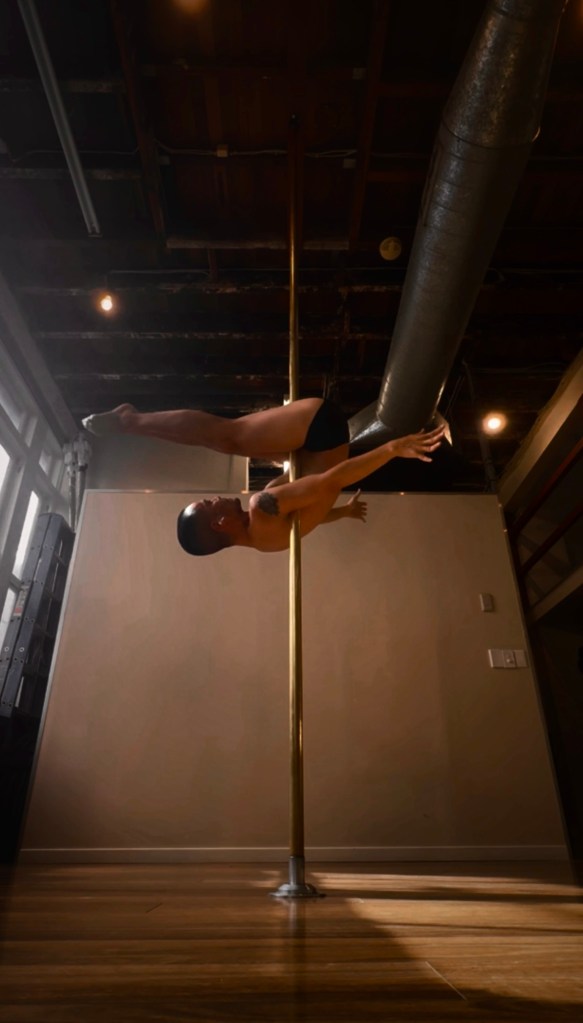
Embarking on a journey through 4 levels of pole fitness since June 2023, I discovered it’s much more than a physical workout; it’s a transformative experience that reshapes your body, mind, and soul.

As I swung, climbed, and twirled, I gleaned profound lessons that resonated beyond the pole studio walls. Here’s a reflection on the invaluable insights gained from this exhilarating journey.

  1. Courage: Facing Fears Head-On

Pole fitness, inherently challenging and often daunting, demands a significant amount of bravery. Initially, the very thought of performing a complex move high off the ground was nerve-wracking. However, each class, each attempt, and each fall taught me the essence of courage. It’s not the absence of fear but the determination to face it and rise above. The more I embraced the challenge, the more my fears diminished, and confidence took its place.

  1. Breaking Out of the Comfort Zone

Each level of pole fitness pushed me into uncharted territories. What seemed impossible in the beginning gradually became achievable. This journey was a constant reminder that growth lies in discomfort. Embracing the unfamiliar – be it a new spin or an upside-down manoeuvre – was empowering. It taught me to apply the same principle in life: to grow, one must dare to step out of their comfort zone.

  1. Letting Go: The Art of Trust and Surrender

Pole fitness is as much about mental strength as it is about physical prowess. It taught me the art of letting go – trusting my body, the pole, and the process. Whether it was releasing a hand during a spin or relying on my own strength to hold a pose, each step was a lesson in surrender and trust. It’s a powerful metaphor for life – sometimes, we need to let go and trust that we’ll land exactly where we’re meant to be.

  1. Practice: The Path to Mastery

Pole fitness reiterated the adage: practice makes perfect. Mastering the art didn’t happen overnight. It took consistent effort, dedication, and an unyielding will to improve. With each practice, I not only refined my technique but also built resilience and determination. This journey instilled in me that perseverance and consistent effort are key to achieving excellence in any field.

  1. Connections: The Strength in Community

Perhaps one of the most beautiful aspects of this journey was the sense of community and connection. Pole fitness brought together individuals from diverse backgrounds, each with their own stories and struggles. The encouragement, support, and camaraderie experienced within this community were heart-warming. It emphasized the power of connections and how they can uplift, motivate, and inspire us in our endeavours.

As I reflect on my pole fitness journey, I realize it has been a profound journey of self-discovery and empowerment. Each level not only sculpted my body but also fortified my mind and spirit.

The lessons learned here – courage, stepping out of the comfort zone, letting go, the importance of practice, and the power of connections – are universally applicable. Pole fitness, thus, is more than a sport; it’s a conduit to a stronger, more confident, and connected self.

Here’s to more learning! 💪🏽

Level 5 here I come!

Video: my pole school Pole Athletica

https://poleathletica.com

How to set SMART goals

Discover the power of SMART goals in driving personal and professional success! In this insightful video, we delve into how setting Specific, Measurable, Achievable, Relevant, and Time-bound goals can be a game-changer in achieving your aspirations. Learn how clearly defined goals enhance focus and direction, how measurable objectives allow for tracking progress and celebrating milestones, and the importance of setting realistic and attainable targets to maintain motivation. Understand why aligning your goals with your core values and long-term vision is crucial, and how time-bound objectives create a sense of urgency and momentum. This video is not just about goal-setting, it’s about transforming your approach to achieving success in every aspect of life. Join us as we unlock the full potential of SMART goals!

Making Space for the Vertebrae: The Call to Stretch and Move!

In our modern era of screen time, desk jobs, and sedentary living, the phrase “sitting is the new smoking” resonates more than ever.

It’s a powerful reminder that something as seemingly innocuous as sitting can have profound implications on our health. The good news is that the solution is simple and attainable: stretch & move!

Why Stretching & Moving Matter?

While our bodies are designed for movement, many of us spend countless hours each day tethered to our desks, typing away and gazing at screens. Over time, this sedentary lifestyle can lead to:

– Muscular imbalances

– Reduced flexibility

– Increased risk of chronic diseases such as heart disease and diabetes

– Poor posture

– Strain on our vertebral discs and back muscles

On the other hand, stretching and moving regularly can:

– Improve circulation

– Enhance flexibility

– Strengthen muscles

– Reduce tension and stress

– Boost overall well-being

Tips to Get You Moving:

1. Set a Timer: Every hour, take a 5-minute break to stand up, stretch, or take a short walk. There are many apps available that remind you to take regular breaks.

2. Desktop Yoga: Believe it or not, you can do several yoga poses right at your desk! Seated spinal twists, seated cat-cow stretches, and seated forward bends can all help release tension.

3. Invest in Ergonomic Furniture: Adjustable standing desks can help you alternate between sitting and standing throughout the day.

4. Use Your Lunch Break Wisely: Instead of eating at your desk, go outside and take a walk. Even 10-15 minutes of walking can refresh you for the afternoon ahead.

5. Stretching Routine: Start and end your day with a full body stretching routine. Morning stretches can energize you, while evening stretches can help in relaxation.

6. Opt for Active Meetings: Instead of sitting in a conference room, suggest walking meetings. It can be a fun way to discuss projects while getting some steps in.

7. Stairs Over Elevators: If possible, choose stairs over elevators. It’s a simple change that can make a significant difference over time.

So, let’s break free from the chains of our chairs and embrace the joy and vitality that come with movement! By making a conscious effort to stretch and move regularly, not only are you ‘making space for the vertebrae,’ but you’re also paving the way for a healthier, more vibrant life.

Love,

Binh

From Vietnam to Australia: Riding Waves, Chasing Dreams, and the Lessons Along the Way

Every family story has its ups and downs, unexpected turns, and memorable moments. Mine begins in the bustling streets of Saigon and winds its way to the vast landscapes of Australia.

Imagine living through the era of the Vietnam War. My parents did. Their lives were shaped and contoured by the relentless combination of gunshots and bomb explosions. By the time I was born in the 80s, the war had settled into history, but for my older siblings, its memories were more vivid.

Now, here’s a twist in our story: faced with the hardship of post-war Vietnam, Dad dreamt of getting us to America, and he wasn’t thinking of just any regular journey. He planned to take us there by boat. Yes, you heard that right—a boat!

But life, with its mysterious ways, had other plans. Despite trying three times, the boat journey to America remained an unfulfilled dream. But Dad’s spirit? Unbreakable. When one door (or sea route) closed, he looked elsewhere, spotting a business opportunity in lacquerware right at home. This venture wasn’t just about keeping the lights on; it was about a larger vision: securing top-tier education for us.

Australia soon became our beacon. We were lucky to fly here as overseas students. A reality check of being overseas students in Australia? It was like ordering the most expensive item on the menu every single time. Yet, my parents were undeterred. They believed in investing in quality education. One moment that would stay in my memory forever was when they’d have us wear thick jackets under Vietnam’s blazing sun in a light-hearted prep for Australia’s cooler climates. This was to help us visualise a different lifestyle and to get us ready for a new chapter. We all migrated to Australia in the end.

This roller-coaster of experiences taught me a few valuable lessons:

1. Embrace change: when plans go awry, adapt, and find another way. That’s how you turn roadblocks into stepping stones.

2. Understanding sacrifice: witnessing my parents’ efforts, from boat plans to business ventures, all to ensure our education, was a masterclass in sacrifice and priorities.

3. Never give up: Dad’s three boat attempts taught us that it’s not about how many times life throws you off course, it’s about charting a new one with even more determination.

Through all the waves we rode, both literally and figuratively, the journey instilled in us that dreams might evolve, but with tenacity and patience, they can come to life in the most unexpected ways.

May your wishes and dreams come true!

Love,

Bình